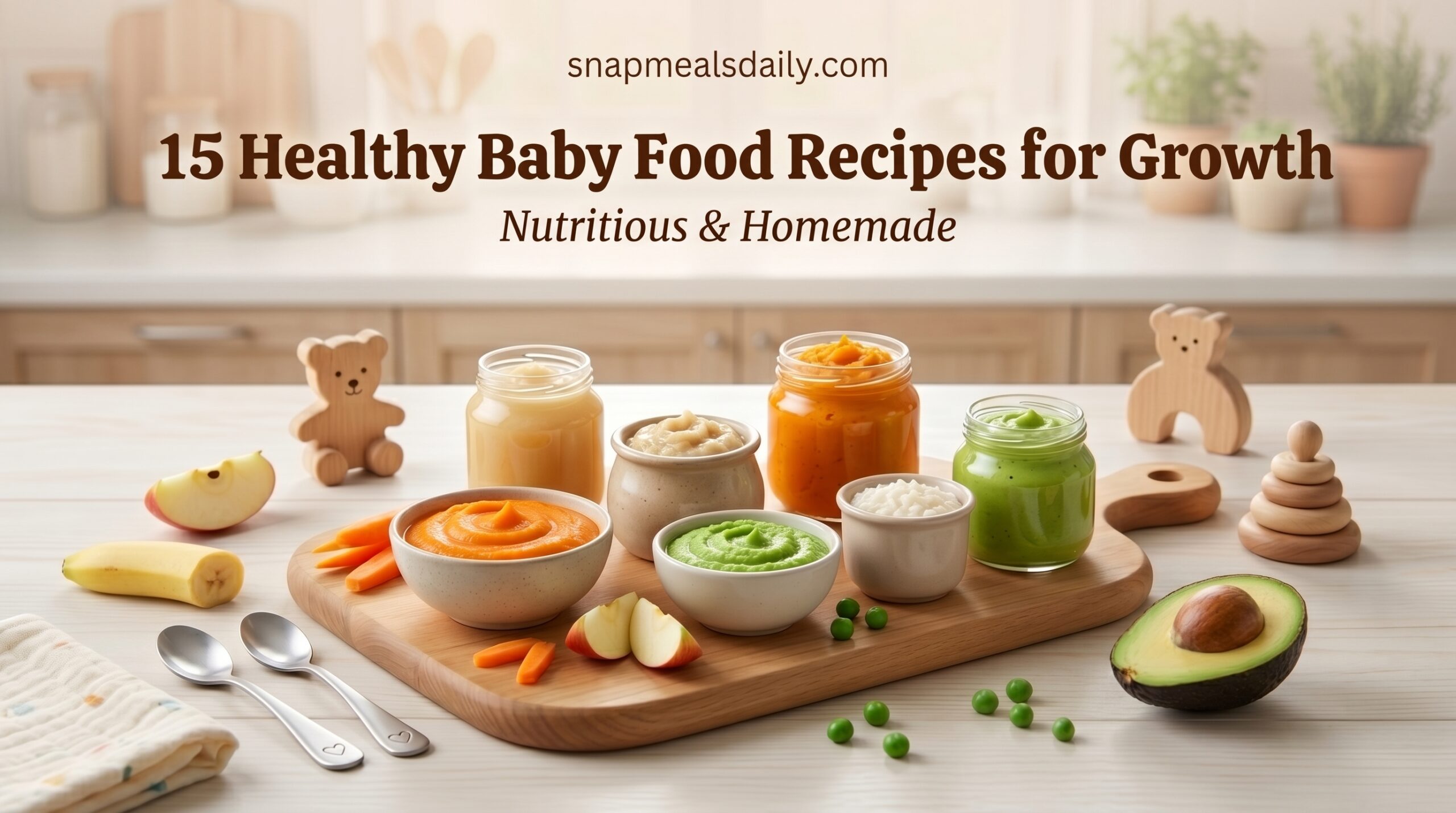
Discover 15 healthy baby food recipes for growth. Nutritious, easy, and homemade meals to support your baby’s development and healthy eating habits.
15 Healthy Baby Food Recipes for Growth
Healthy baby food recipes play an important role in every baby’s early growth and development. Parents always want to give the best nutrition to their child, and food becomes the strongest foundation of that journey. When you choose healthy baby food recipes, you support strong bones, better immunity, and healthy brain development from the very beginning.
You do not need expensive ingredients or complicated cooking methods to prepare good meals. Simple and natural foods work best for babies because their digestive system stays sensitive in early months. When you use healthy baby food recipes, you rely on fresh fruits, vegetables, grains, and pulses that provide essential vitamins and minerals for proper growth.
Many parents feel confused when they start introducing solid food. They worry about what to feed, how to prepare it, and when to begin. The process becomes easier when you follow simple healthy baby food recipes step by step. You start with soft textures, use natural ingredients, and slowly add variety as your baby grows.
These recipes also help you build strong eating habits early in life. When you use healthy baby food recipes at home, your baby learns to enjoy natural flavors instead of processed or sugary foods. This early habit supports better food choices in the future and reduces picky eating behavior.
You can begin with simple foods like banana puree, apple puree, rice cereal, and mashed vegetables. These healthy baby food recipes stay gentle on digestion and easy for babies to swallow. As your baby grows, you can introduce lentils, oats, yogurt, and mixed vegetable purees to increase nutrition and variety.
Homemade meals also give you full control over ingredients. You avoid preservatives, artificial flavors, and unnecessary sugar or salt. When you prepare healthy baby food recipes at home, you ensure fresh, clean, and safe food for your baby every day.
Time also matters for busy parents, and these recipes do not take much effort. You can steam, boil, mash, or blend ingredients in just a few minutes. Simple cooking methods make healthy baby food recipes easy to prepare even in a busy routine.
Variety also plays a big role in baby nutrition. When you use different fruits, vegetables, and grains in healthy baby food recipes, you provide a wide range of nutrients that support growth and immunity. Mixing ingredients like apple with carrot or banana with avocado makes meals more nutritious and tasty.
Every baby grows differently, so you should always observe their reactions. You introduce new foods slowly and carefully. This approach helps you safely use healthy baby food recipes while understanding your baby’s preferences and digestion.
In the end, healthy baby food recipes give parents a simple and natural way to support their baby’s health. When you focus on homemade meals, you build a strong foundation for lifelong nutrition, growth, and healthy eating habits.
Parents always want the best nutrition for their babies. Healthy food supports strong growth, better immunity, and proper development. You can prepare healthy baby food recipes at home with simple and natural ingredients.
Homemade baby food gives you full control over quality and freshness. You avoid preservatives, excess sugar, and artificial flavors. Instead, you use fresh fruits, vegetables, and grains that support your baby’s health.
Many parents think baby food preparation is difficult, but it is not. You can create nutritious meals with very little effort. Simple recipes save time and still provide important nutrients for your baby’s growth.
This guide shares 15 healthy baby food recipes for growth. Each recipe focuses on nutrition, taste, and easy preparation. You can use these ideas for daily meals and introduce variety in your baby’s diet.
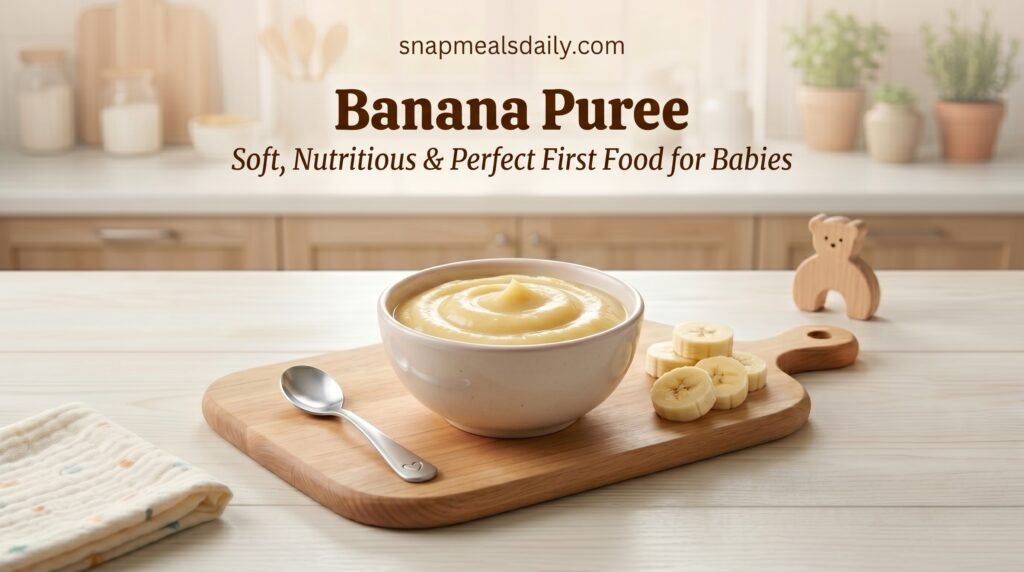
1. Banana Puree
Mash ripe bananas for a soft, natural sweet meal full of energy.
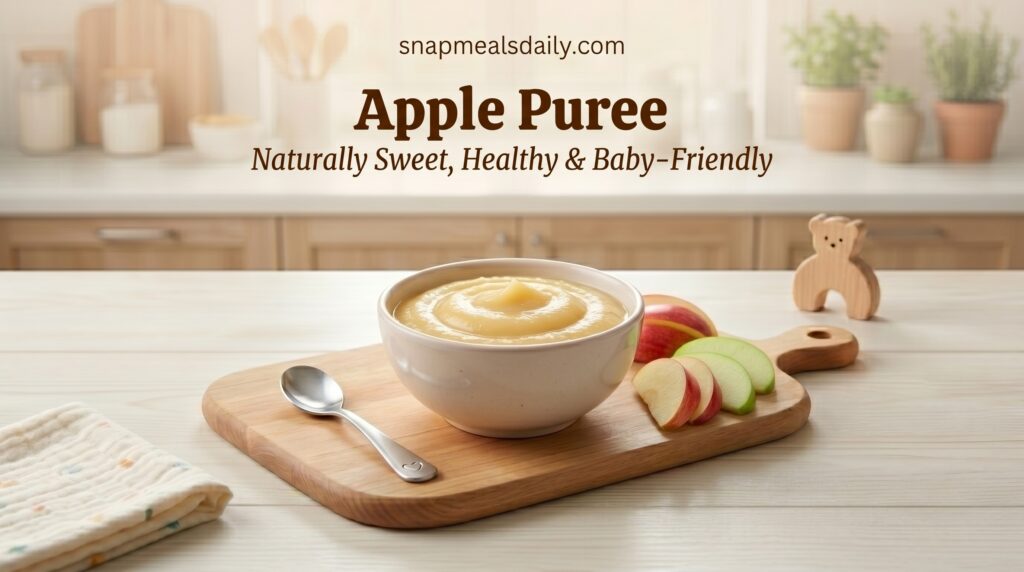
2. Apple Puree
Steam apples and blend them into a smooth puree for digestion support.
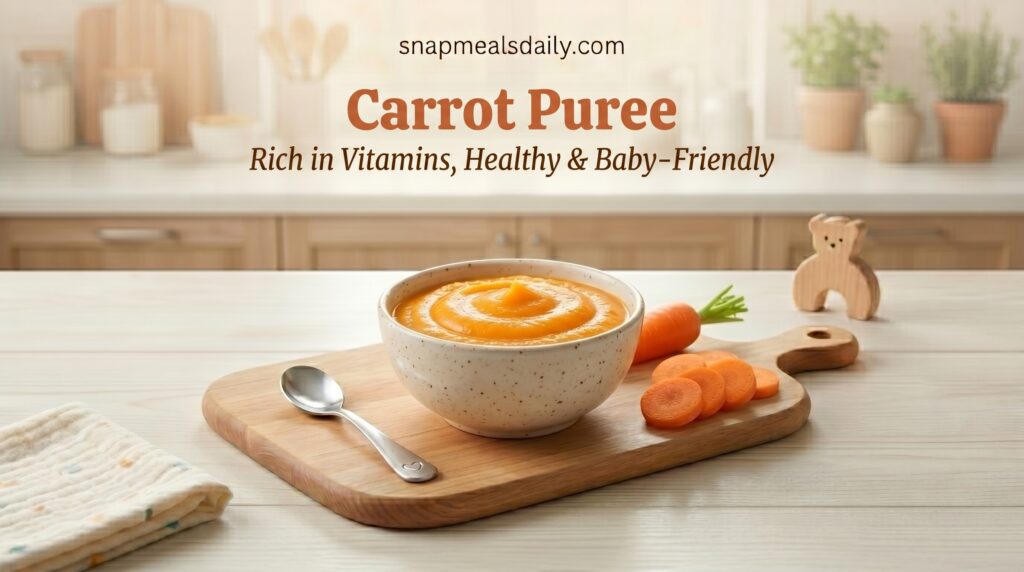
3. Carrot Puree
Cook carrots and blend them for vitamin-rich baby food.
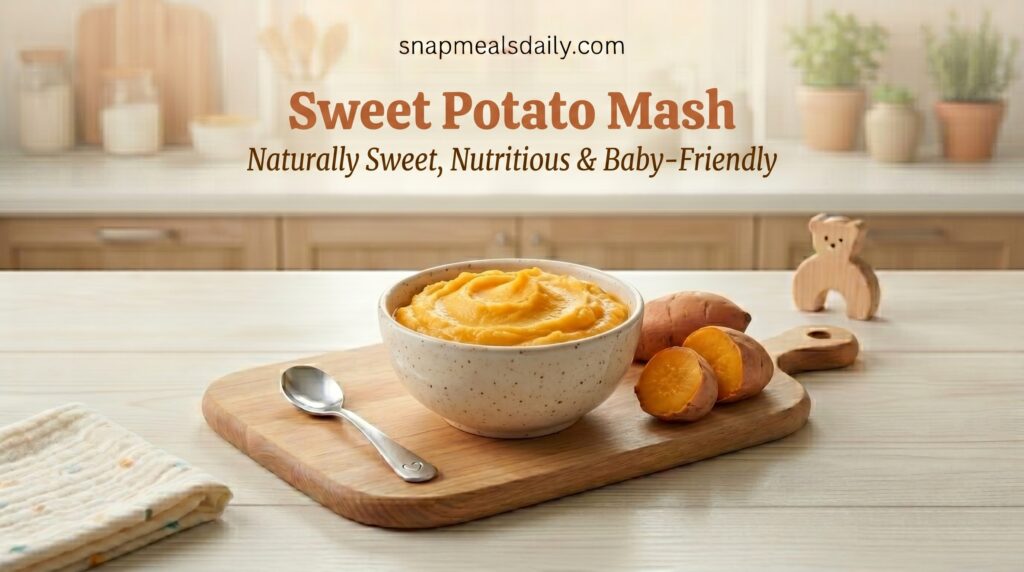
4. Sweet Potato Mash
Boil sweet potatoes and mash them for a filling and healthy meal.
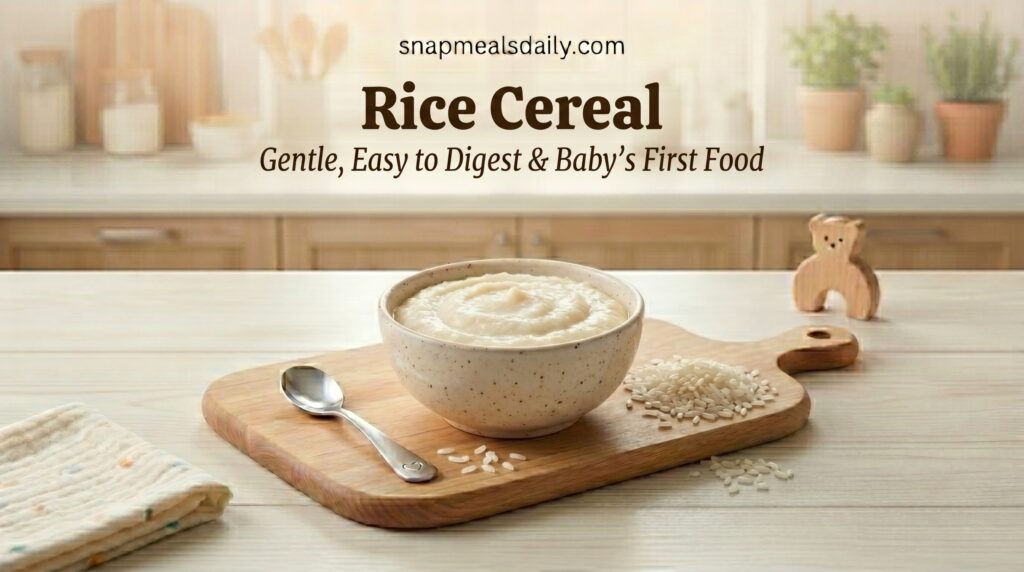
5. Rice Cereal
Cook rice and blend it into a soft cereal for easy digestion.
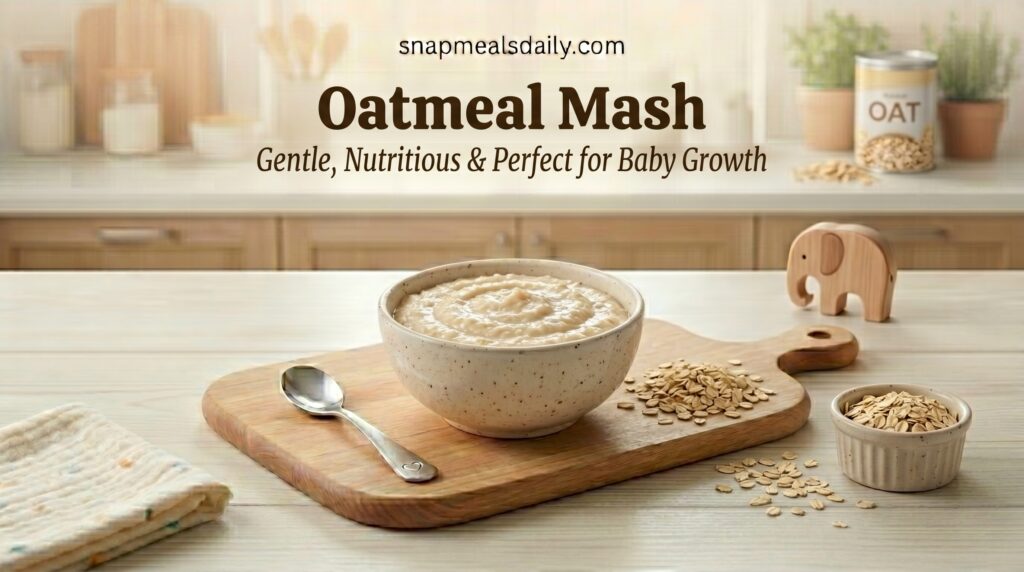
6. Oatmeal Mash
Prepare soft oats with water or milk for fiber and energy.
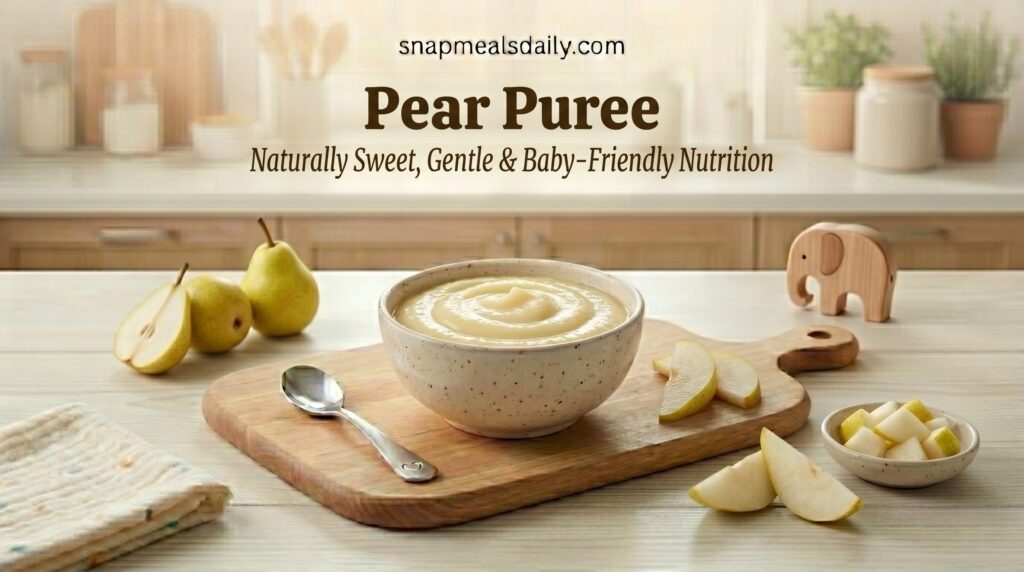
7. Pear Puree
Steam pears and blend for a light and nutritious baby meal.
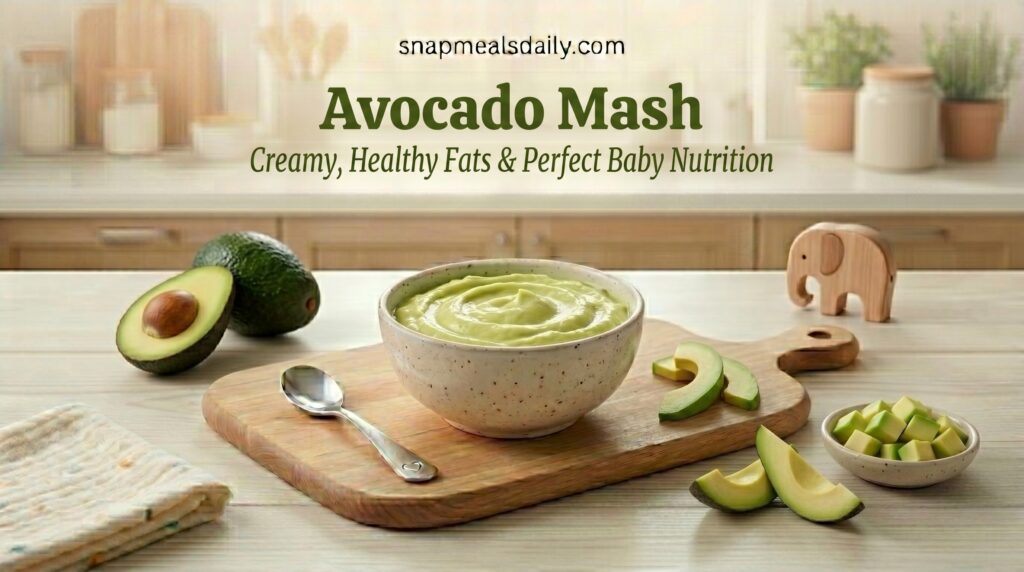
8. Avocado Mash
Mash fresh avocado for healthy fats and brain development.
9. Pumpkin Puree
Cook pumpkin and blend it for vitamin-rich food.

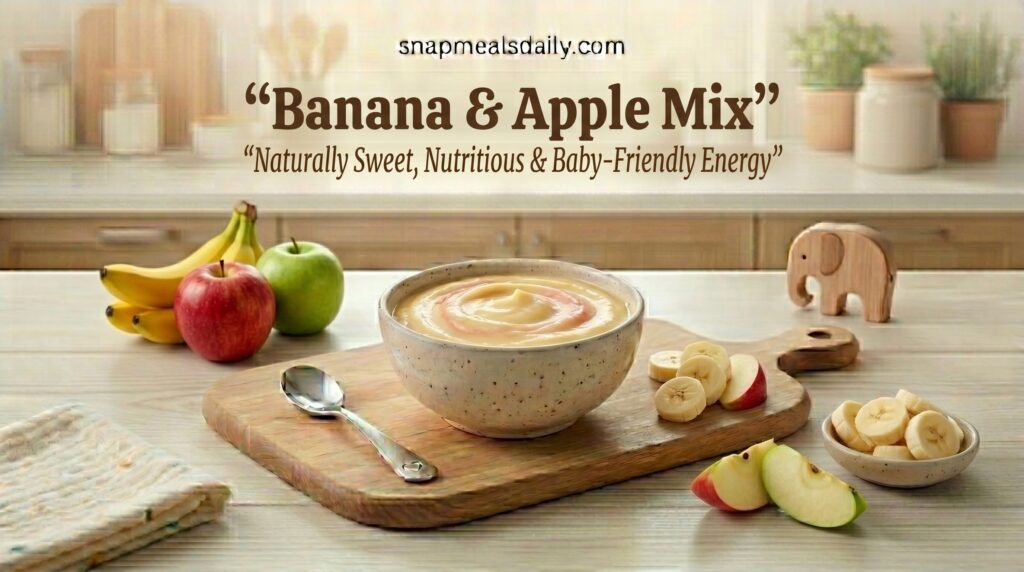
10. Banana & Apple Mix
Combine banana and apple for a sweet and healthy blend.
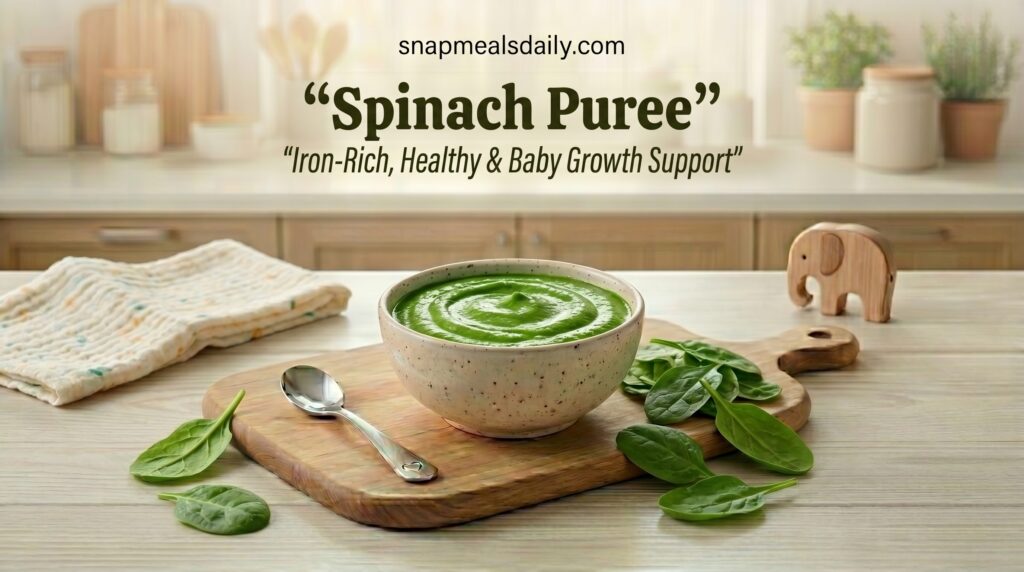
11. Spinach Puree
Steam spinach and blend for iron-rich baby food.
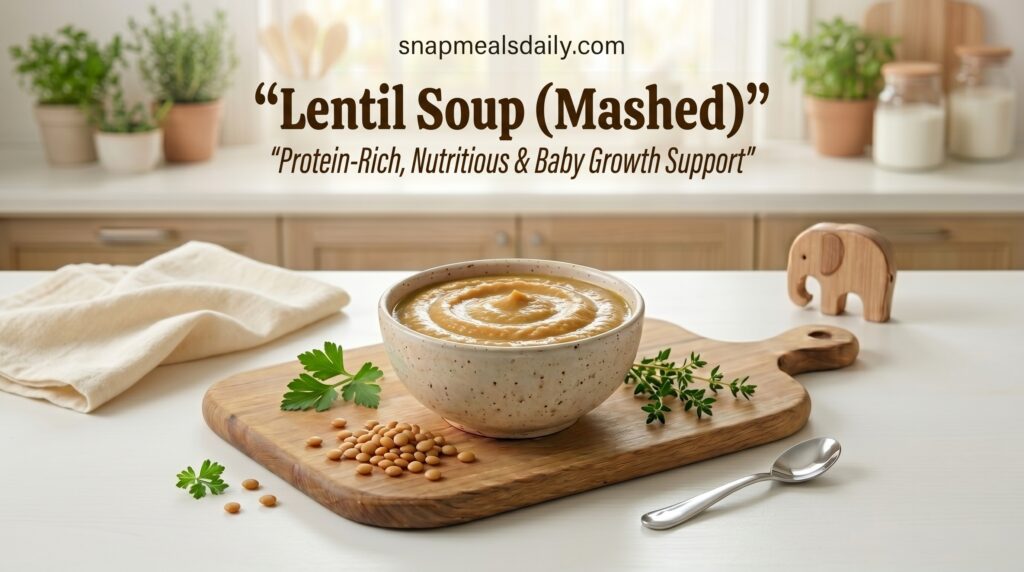
12. Lentil Soup (Mashed)
Cook lentils and mash them for protein-rich nutrition.
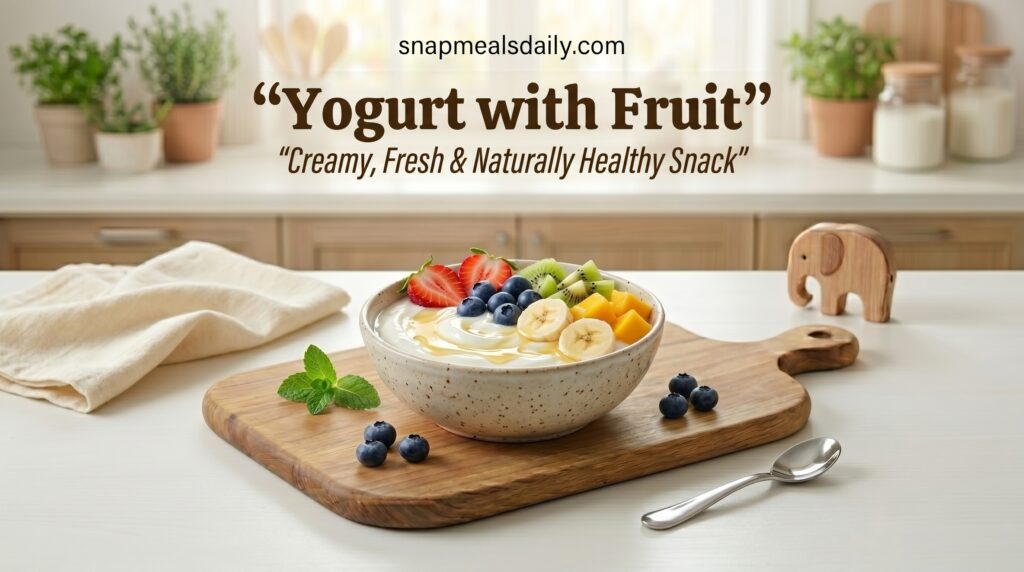
13. Yogurt with Fruit
Mix plain yogurt with soft fruit for digestion support.
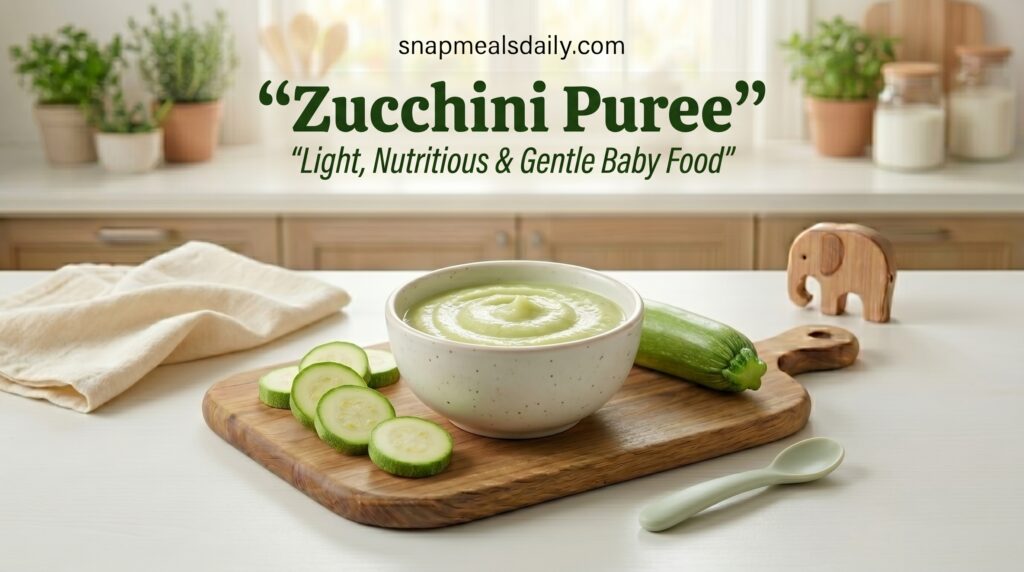
14. Zucchini Puree
Steam zucchini and blend into a light meal.
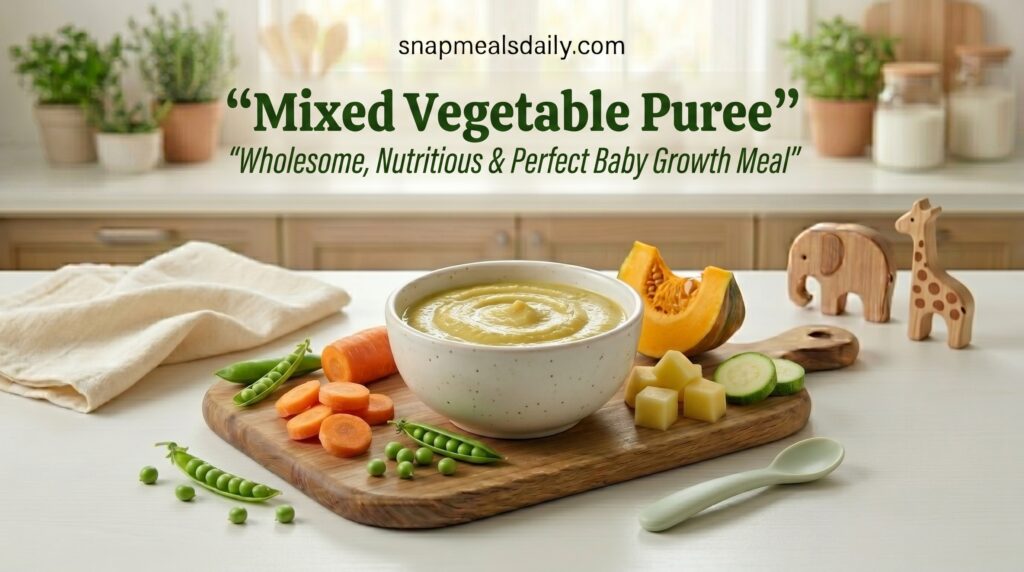
15. Mixed Vegetable Puree
Combine carrots, peas, and potatoes for balanced nutrition.
Final Tips for Healthy Baby Food Preparation
Healthy baby food recipes work best when you keep things simple and consistent. You do not need fancy ingredients or complicated cooking methods. You only need fresh food, clean preparation, and regular feeding habits.
Always choose fresh fruits and vegetables for your baby meals. You improve nutrition when you use natural ingredients instead of packaged or processed foods. Wash everything properly and cook food until soft to ensure easy digestion.
Start with simple baby food recipes and slowly add variety. You can begin with banana, apple, rice cereal, and mashed vegetables. Then, introduce lentils, oats, yogurt, and mixed purees as your baby grows. This gradual approach supports better digestion and reduces food sensitivity risks.
Keep food texture smooth and soft in early stages. You can mash, blend, or puree food depending on your baby’s age. Avoid hard or chunky pieces to prevent choking risks.
Follow a simple feeding routine every day. You offer small portions at regular times so your baby develops a healthy eating habit. Do not rush feeding; instead, let your baby eat comfortably at their own pace.
Introduce one new food at a time. You wait a few days before adding another item so you can check for allergies or reactions. This step helps you keep your baby safe and healthy.
Make meals colorful and varied. You combine fruits, vegetables, and grains to improve nutrition and taste. Variety also helps your baby accept different flavors as they grow.
Always store baby food safely if you prepare it in advance. You keep it fresh and use it within a short time to maintain quality.
When you follow these simple tips, you make healthy baby food preparation easy, safe, and effective. You also build strong eating habits that support your baby’s long-term growth.
Conclusion
Healthy baby food plays a strong role in your baby’s early growth and development. You support better immunity, steady weight gain, and brain development when you choose fresh and nutritious homemade meals. Simple ingredients often give the best results, and you do not need complicated recipes to feed your baby well.
When you prepare healthy baby food recipes at home, you take full control of what your baby eats. You choose fresh fruits, vegetables, grains, and natural ingredients. This helps you avoid preservatives, artificial flavours, and unnecessary sugar or salt. Your baby gets clean, safe, and balanced nutrition in every meal.
You can easily start with soft foods like banana puree, apple puree, rice cereal, and mashed vegetables. These foods help your baby adjust to new textures and tastes. As your baby grows, you can slowly add more variety like lentils, oats, yogurt, and mixed vegetable purees. This gradual process supports healthy digestion and better eating habits.
Consistency also matters in baby feeding. You should follow a simple routine and offer small portions at regular times. This helps your baby develop a healthy appetite and understand meal patterns. You do not need to force-feed; instead, you observe your baby’s response and adjust accordingly.
Variety in healthy baby food recipes improves nutrition and keeps meals interesting. When you rotate fruits, vegetables, and grains, your baby receives different vitamins and minerals. This supports overall growth and strengthens immunity. You can combine ingredients like banana with apple, or carrot with potato, to create tasty and nutritious blends.
Safety always comes first in baby food preparation. You should cook food properly, soften textures, and ensure everything stays fresh. You also introduce new foods one at a time to check for allergies or sensitivities. This careful approach protects your baby’s health and builds your confidence as a parent.
Homemade baby food also helps you build a strong emotional connection with your baby. You spend time preparing meals with care and attention. This creates trust and comfort during feeding time. Your baby feels safe and cared for, which supports healthy eating habits in the long term.
You also save money when you prepare baby food at home. You use simple ingredients from your kitchen instead of buying expensive packaged food. This makes healthy feeding more affordable and practical for everyday life.
In the end, healthy baby food recipes give your baby a strong foundation for future growth. You support physical development, mental growth, and lifelong eating habits. When you choose homemade and nutritious meals, you give your baby the best possible start in life.
Keep your approach simple, stay consistent, and focus on natural foods. Small efforts every day create a big difference in your baby’s health and happiness.
Healthy baby food plays an important role in your baby’s growth and development. You support strong bones, better immunity, and healthy weight gain when you choose natural and nutritious meals.
Homemade baby food recipes give you control over ingredients and freshness. You avoid harmful additives and focus on real nutrition. Simple fruits, vegetables, and grains provide everything your baby needs in early development stages.
You do not need complicated cooking methods. You can prepare most healthy baby food recipes in a short time using basic kitchen tools. Steaming, boiling, and mashing work best for creating soft and safe meals.
Variety also matters in a baby’s diet. When you introduce different textures and flavors, your baby develops better eating habits. You can rotate fruits, vegetables, and grains to keep meals interesting and nutritious.
Always start with simple foods and introduce new ingredients slowly. This helps you understand your baby’s preferences and digestion response. You can also consult a pediatrician for guidance when needed.
In the end, healthy baby food recipes help you build a strong foundation for lifelong nutrition. When you focus on homemade meals, you give your baby a healthy start and better future growth.
FAQs
1. When can I start giving baby food?
You can usually start solid foods after 6 months, depending on your doctor’s advice.
2. What are the best first baby foods?
Banana, apple puree, and rice cereal work well as first foods.
3. Can I store homemade baby food?
Yes, you can store it in the fridge for 1–2 days or freeze it in small portions.
4. Is homemade baby food better than store-bought?
Yes, homemade food is fresher and free from preservatives.
5. How often should I feed baby solid food?
Start with 1–2 times daily and increase gradually.
6. How do I know my baby is ready for solid food?
You notice signs like good head control, interest in food, and the ability to sit with support.
7. What foods should I avoid for babies?
You should avoid honey, added sugar, salt, whole nuts, and processed foods for babies.
8. How do I make baby food soft and safe?
You cook food well, steam vegetables, and mash or blend everything into a smooth texture.
9. Can I mix fruits and vegetables in baby food?
Yes, you can mix fruits and vegetables like apple with carrot or banana with avocado for better taste and nutrition.
10. How do I introduce new baby foods?
You introduce one new food at a time and wait a few days to check for allergies or reactions.
11. Do I need special equipment for baby food?
No, you only need basic kitchen tools like a pot, steamer, blender, or fork for mashing.
12. How can I make baby food more nutritious?
You include a variety of fruits, vegetables, grains, and proteins to support healthy growth and development.