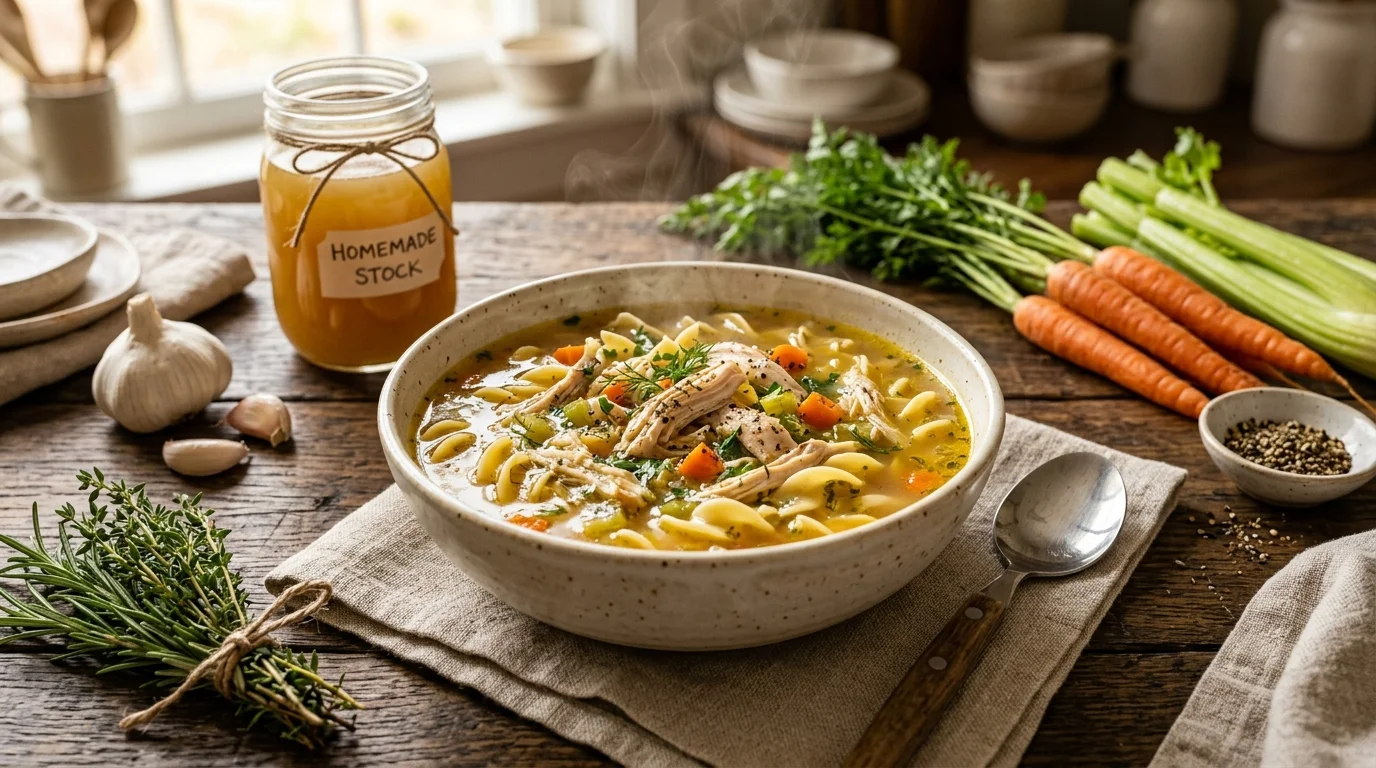
I learned about making comforting broths the hard way after serving a completely tasteless dinner to my family last winter. I assumed throwing random poultry pieces into boiling water would magically yield a rich, restaurant-quality meal within minutes. Instead, my rushed process resulted in a cloudy, greasy bowl of bland water that everyone politely avoided eating.
That disastrous evening forced me to study the science behind a perfect chicken noodle soup from scratch. Now, after months of kitchen trials, I can share five essential tweaks that saved my comfort food game.
In this comprehensive guide, you will discover the exact techniques required to fix thin and flavorless broths easily. We will cover proper poultry selection, vegetable sauté timings, and the ideal way to preserve your delicate noodles. Following these professional kitchen adjustments will instantly transform your simple ingredients into a deeply satisfying culinary masterpiece today.
The Foundation of Raw Bones and Poultry Selection
Selecting the right cuts of meat determines the entire success of your comfort food broth in the kitchen. Many beginners make the mistake of using only boneless chicken breasts because they think it saves cooking time. However, lean breasts lack the collagen required to give your liquid foundation a rich and velvety mouthfeel. You genuinely need bone-in pieces like thighs or backs to make a classic chicken noodle soup base.
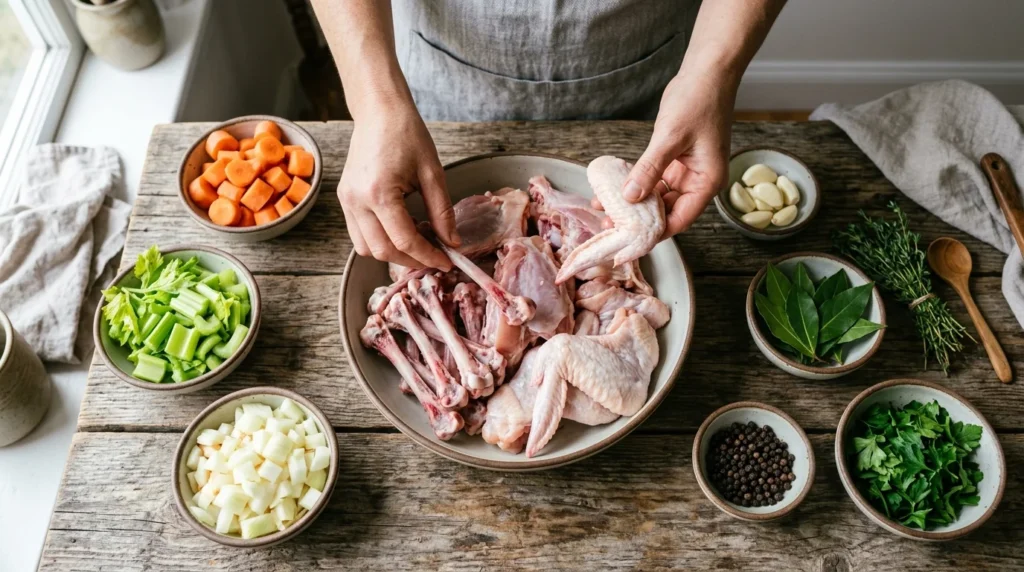
I always visit my local butcher to get fresh, high-quality carcass pieces for my weekly cooking projects. Mixing rich dark meat with bone fragments ensures your stock will gelatinize beautifully once it cools down overnight. This natural gelatin is the secret element that separates flat, watery liquids from comforting kitchen masterpieces. Always sear the skin lightly beforehand to lock in the juices and create a beautiful aromatic base.
Timing the Delicate Sauté of Aromatic Vegetables
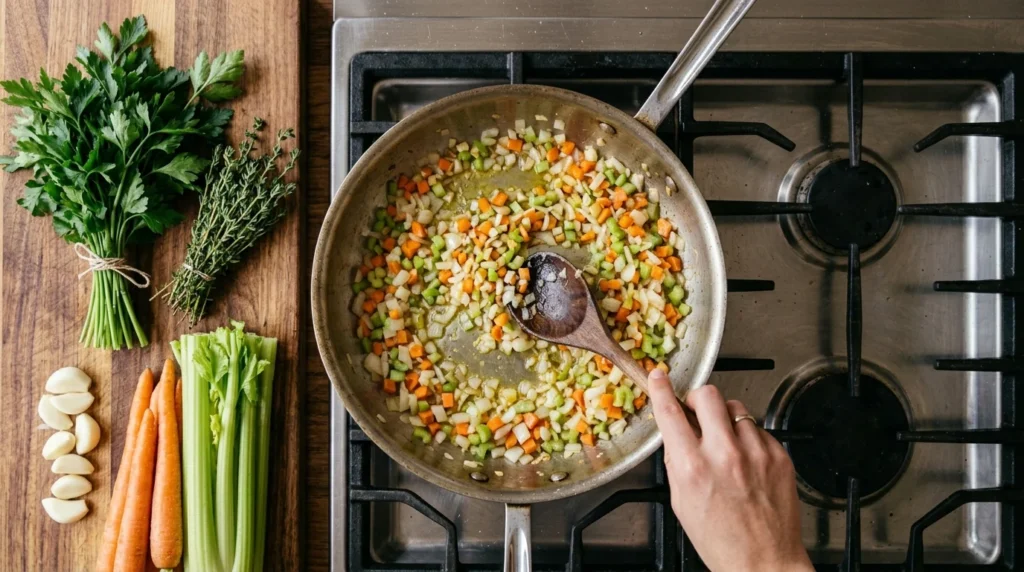
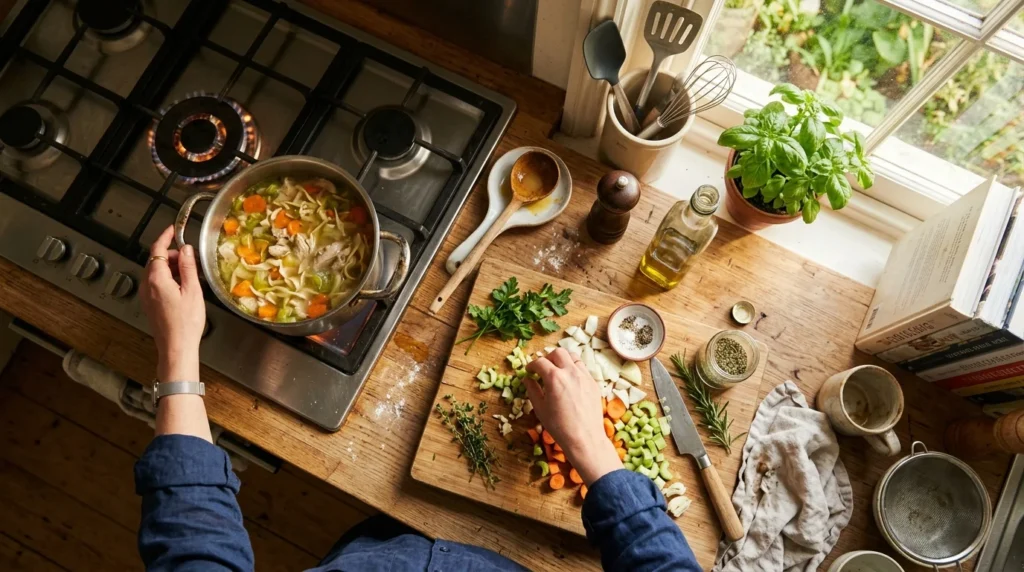
Rushing your vegetables into boiling water too early will ruin their individual textures and make them mushy. You must sweat your onions, carrots, and celery gently in butter before adding any liquid to your chicken noodle soup pot.
| Vegetable Choice | Ideal Cutting Shape | Sauté Time in Pan | Cooked Texture Result |
| Yellow Onion | Tiny Fine Dices | 5 Minutes | Translucent and sweet |
| Fresh Carrots | Thick Round Coins | 7 Minutes | Tender but still firm |
| Crisp Celery | Thin Half-Moon Slices | 4 Minutes | Softened without browning |
Sautéing these aromatics first helps release their natural sugars and makes your chicken noodle soup taste incredibly vibrant.
Secret Herbs and Acid Boosters for Deep Flavor
Standard black pepper and table salt can create decent food, but secret additions elevate the broth instantly. Professional chefs rely on specific botanical layers to cut through the heavy animal fats and balance the profile.
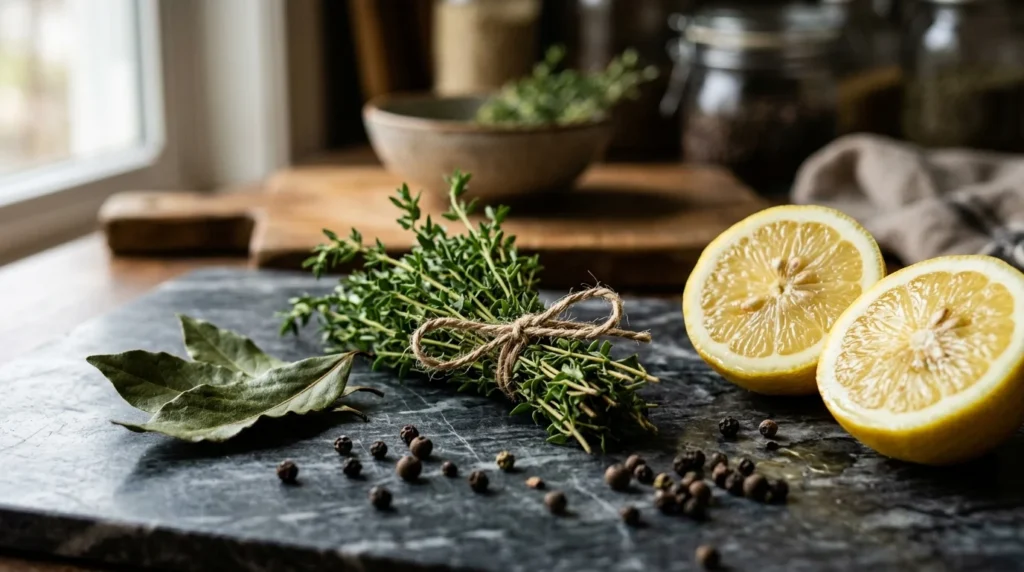
- Fresh Thyme Sprigs: Tie them with kitchen string so you can remove the woody stems easily later.
- Whole Bay Leaves: Drop two leaves into the simmering liquid to introduce a subtle earthy aroma.
- Fresh Lemon Juice: Squeeze half a lemon right before serving to brighten up the heavy savory notes.
The Critical Danger of Overboiling the Liquid Base
Allowing your pot to boil aggressively is the fastest way to turn beautiful ingredients into cloudy gray water. High heat forces the melting fats and proteins to emulsify directly into your clear chicken noodle soup liquid base. You should look for a gentle, lazy simmer where only a few small bubbles break the surface. This slow extraction method ensures your finished chicken noodle soup looks beautifully clean and appetizing.
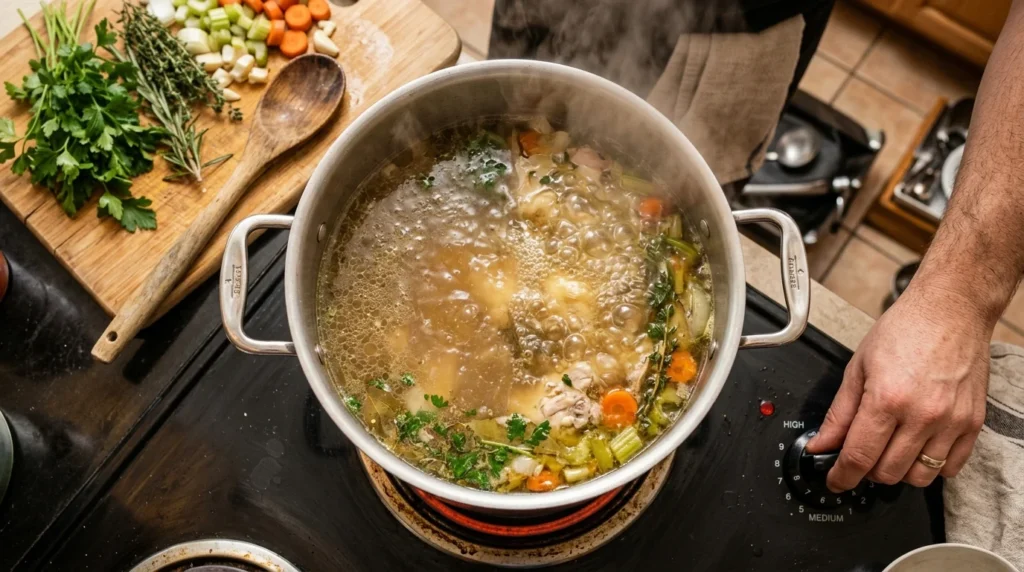
Keep the lid slightly ajar so extra steam can escape freely while the liquid concentrates its rich flavors. If you notice white foam rising to the top surface, skim it away immediately using a spoon. Removing this foam prevents bitter tastes from developing and ensures your finished chicken noodle soup looks beautifully clean. Treat the simmering phase with patience because rushing will completely destroy the visual clarity of your food.
Avoiding the Common Noodle Disasters
The Mistake of Direct Pot Cooking
Cooking your pasta directly inside the main broth is a tragic mistake that creates a thick, starchy mess. The dry starch coats the liquid and absorbs all your precious broth, leaving you with dry noodles tomorrow.
Separate Boiling is the Expert Trick
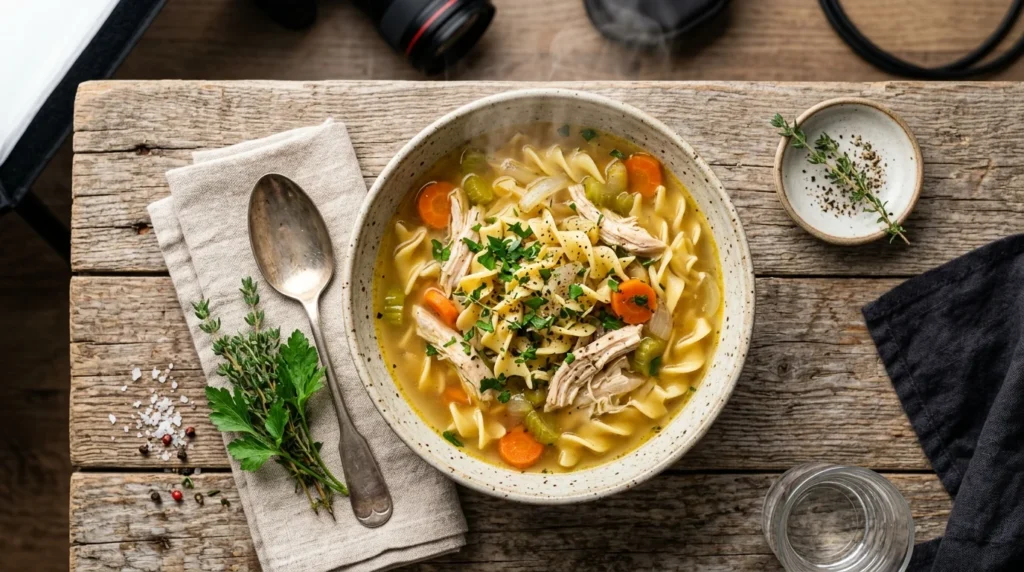
Always boil your egg noodles in a separate pot of salted water until they are just al dente. Drain them thoroughly and add them directly to individual serving bowls right before ladling the hot liquid.
My Sunday Afternoon Kitchen Failure and Recovery
Last November, my brother came over during a cold wave, and I wanted to serve some chicken noodle soup quickly. I made the mistake of adding delicate fresh parsley leaves right at the start of my boiling process. The herb cooked for two hours, turned an ugly brown color, and gave the liquid a bitter taste. My entire beautiful batch looked unappetizing because I ignored the correct timing for adding fragile green herbs.
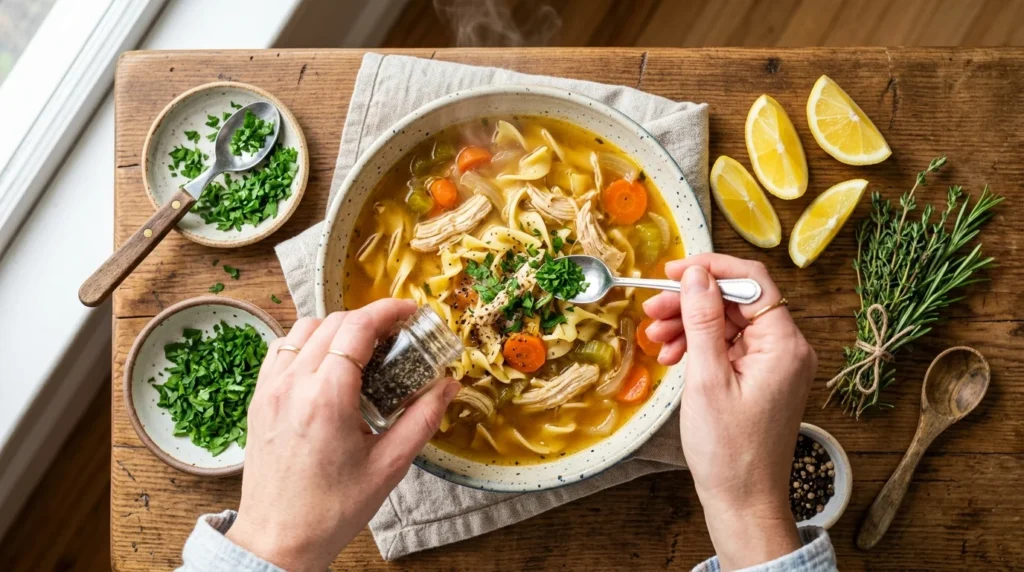
Now, I always chop my fresh herbs and stir them into the hot pot during the final minute. This simple adjustment preserves the bright green color and keeps the fresh herbaceous aroma completely intact for your guests. Learning from small kitchen mistakes is exactly how we master a perfect chicken noodle soup over time.
Selecting the Ultimate Pasta Shapes for Comfort
Choosing the right vehicle for your comforting broth changes how the meal coats your tongue with every spoonful. Thick, wavy egg noodles are the traditional standard because they hold onto the shredded poultry pieces quite effectively.
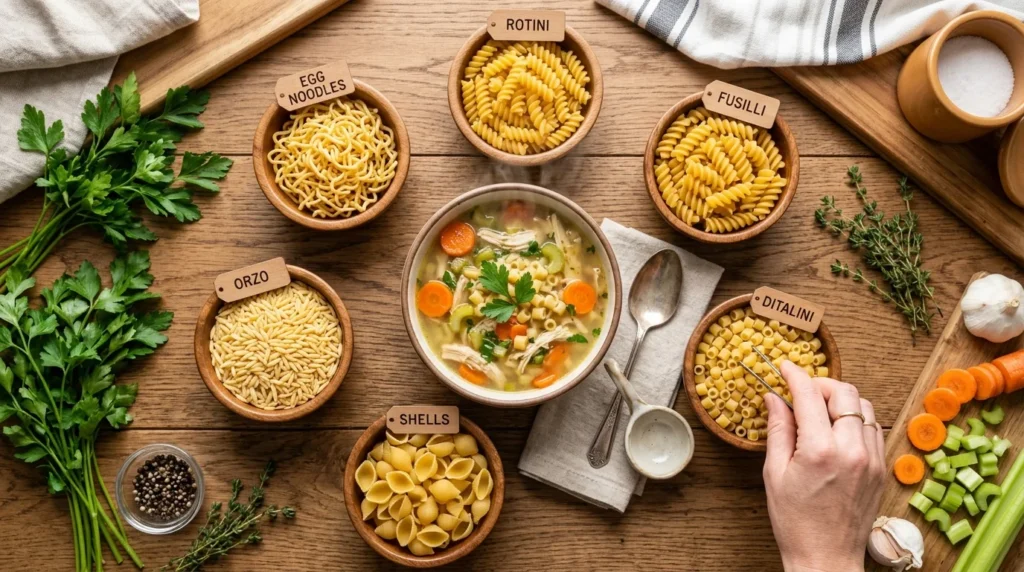
- Dried Ditalini Pasta: These tiny tubes fit perfectly onto a standard soup spoon alongside the diced carrots.
- Classic Israeli Couscous: These small pearled shapes add a unique, luxurious texture that feels wonderful to chew.
- Homemade Rolled Dough: Creating fresh pasta from scratch provides the ultimate rustic experience for cold winter nights.
Preserving the Integrity of Your Leftover Batches
Storing your extra food correctly ensures that your hard work stays fresh for busy weekday lunches later on.
Separation Before Cold Refrigeration
You must store the cooked noodles and the liquid broth in two completely separate airtight plastic containers. If you mix them together, the pasta will continue absorbing liquid until your beautiful dish turns into mush.
Gentle Reheating Techniques Explained
Warm your separated broth on medium-low heat before dropping the cold cooked noodles in for sixty seconds flat. This method revives the dish perfectly without overcooking the delicate pasta or drying out the shredded white meat.
Conclusion:
Perfecting a comforting bowl of broth is a fulfilling journey that requires patience, proper heat control, and fresh ingredients. We have learned that building a rich, flavorful foundation means avoiding aggressive boiling and selecting proper bone-in poultry cuts. When you change your cooking habits, you will turn a simple starter into a deeply satisfying family masterpiece.
During your next kitchen session, I want you to try the separate noodle boiling method for absolute freshness. Always sweat your aromatic vegetables in fresh butter before adding any liquid into your large metal cooking pot. You will notice a massive upgrade in flavor and visual clarity by following these simple professional steps.
I would love to hear about your own comforting kitchen successes and recent recipe updates with this meal. Which of these secret tweaks are you going to try in your chicken noodle soup tonight? Please share your thoughts or drop your helpful kitchen questions in the comments section below!