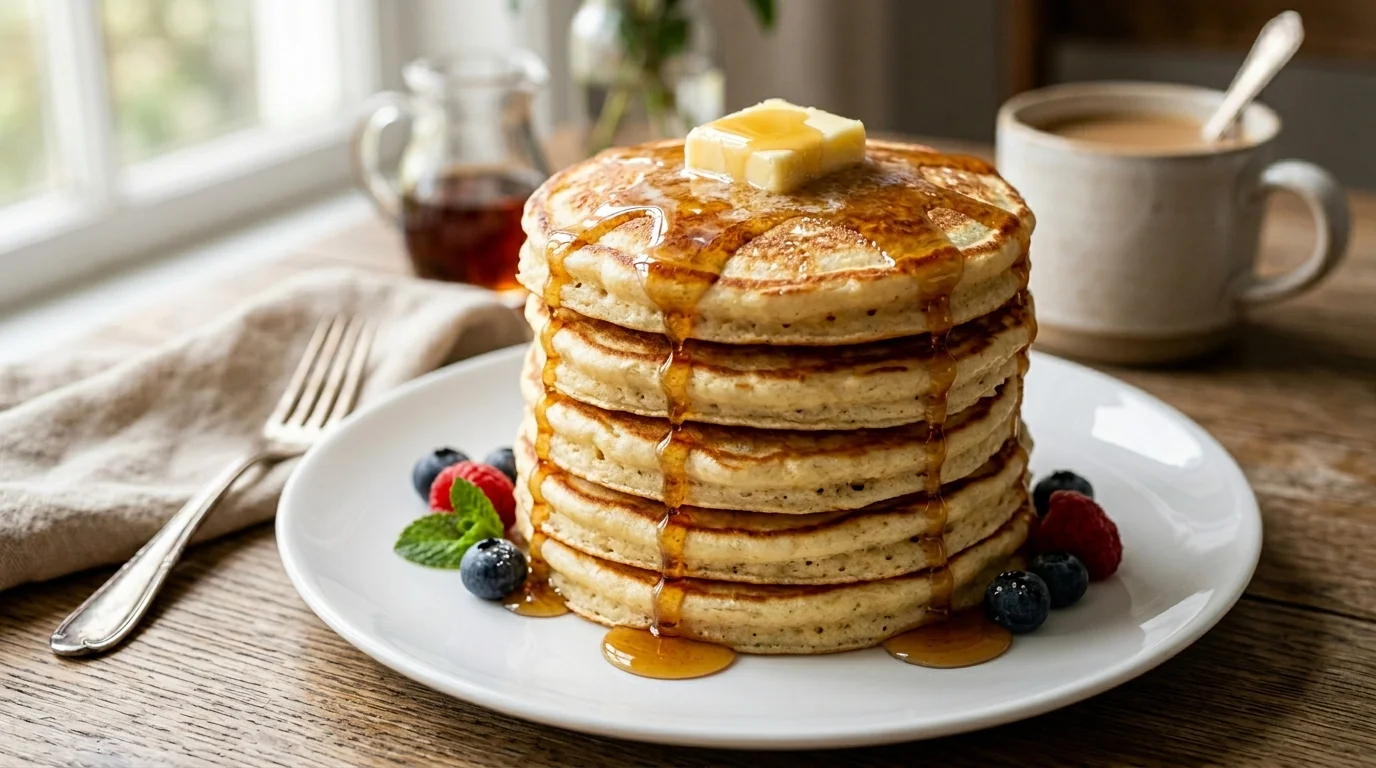
Pancakes are one of the most popular breakfast foods enjoyed across the world. Their soft texture, golden appearance, and delicious taste make them perfect for both busy mornings and relaxing weekend breakfasts. They are easy to prepare and require only a few simple ingredients found in most kitchens.
One reason people love pancakes is their incredible versatility. They can be served with fresh fruits, chocolate chips, nuts, or classic syrup toppings. This guide will explore the ingredients, cooking methods, and expert tips needed to make perfect pancakes every time.
Why Your Homemade Pancakes Turn Out Dense and Flat
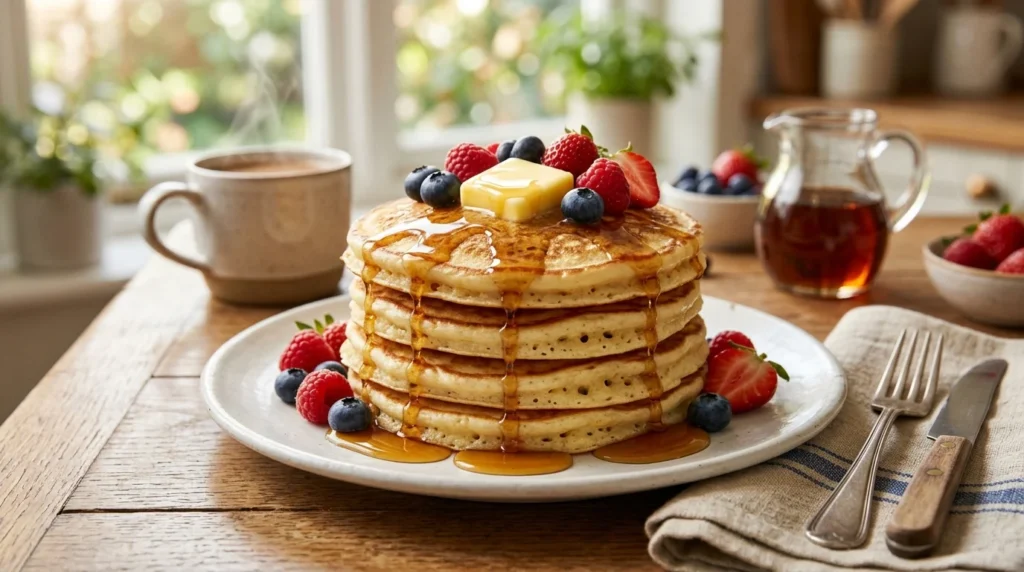
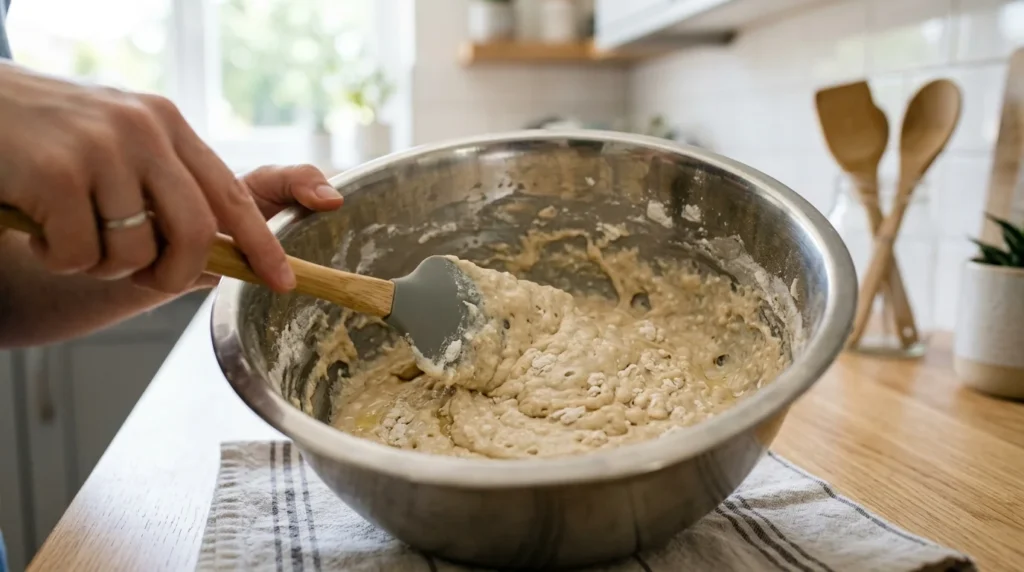
Boiling flour and milk together doesn’t automatically mean you will get bakery-style fluffy breakfast treats. Most beginners overmix their batter because they want to get rid of every single small lump. Overmixing develops gluten which turns soft pancakes into tough, chewy discs that nobody likes to eat.
For the fluffiest results, you must leave those tiny flour lumps alone in your mixing bowl. I always let my batter rest for exactly ten minutes before dropping it onto the hot pan. This short rest allows the baking powder to activate properly and creates beautiful air bubbles inside.
The Science of the Perfect Golden Crust
Achieving that uniform, picture-perfect golden color requires managing your pan’s surface temperature very carefully. Many people use too much butter in the beginning which burns quickly and creates ugly black patches. I highly recommend wiping your skillet with a lightly oiled paper towel instead of melting solid butter blocks.
Low Heat Settings (250°F)
Using too little heat will make your batter look pale and dry during the cooking phase. The texture inside becomes dense because the leavening agents do not get enough warmth to expand fully. You will end up waiting too long for a single flip which ruins the moisture completely.
Medium-Low Heat Settings (325°F)
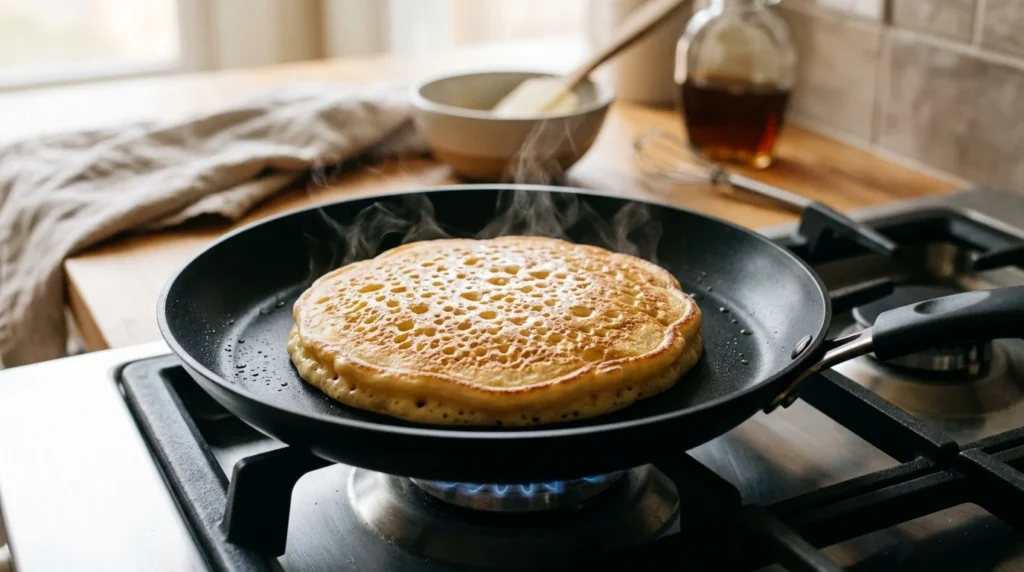
This temperature is ideal if you are using thick cast-iron skillets for your morning baking tasks. The steady warmth cooks the batter gently from the edges right down to the absolute center. It allows the starches to set properly without coloring the outer layer too quickly.
Medium Heat Settings (375°F)
This is the golden standard temperature for achieving that classic picture-perfect look on your breakfast treats. The bubbles form at the perfect speed and the outer skin turns beautifully golden brown every time. Most non-stick pans perform at their absolute best when kept at this level.
High Heat Settings (450°F)
High temperatures will burn the outer surface long before the wet center has a chance to cook. You will get a smoky kitchen and raw, gooey dough inside your breakfast items. Always avoid this setting even if you are in a massive rush to finish cooking.
Secret Ingredients That Top Chefs Keep Hidden
Standard flour and white sugar can make decent food, but secret ingredients elevate your breakfast game instantly. Replacing regular milk with fresh buttermilk adds a wonderful tangy flavor and breaks down tough gluten strands easily.
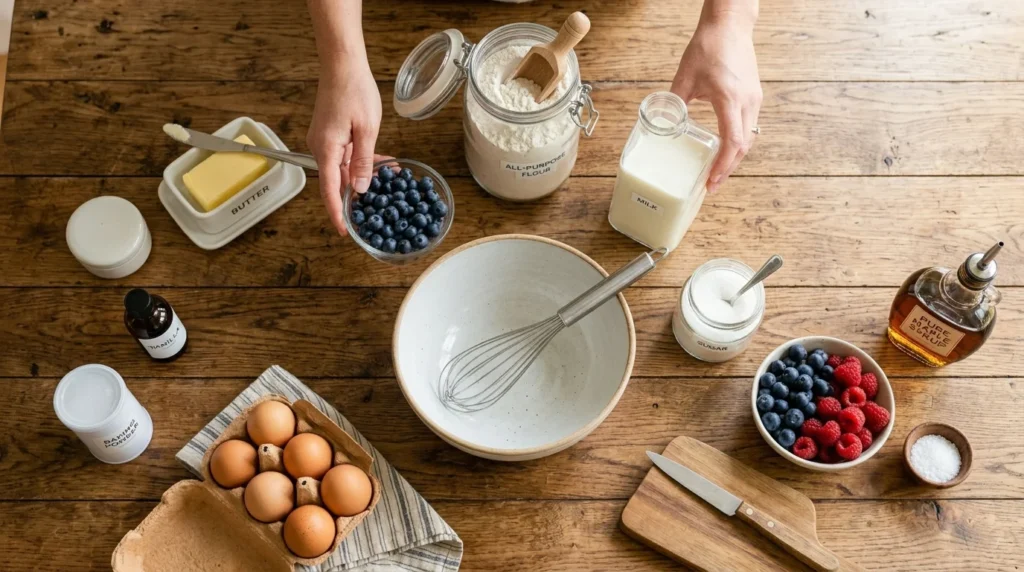
- Melted Butter: Always fold it in last to create a rich, melt-in-your-mouth texture.
- Vanilla Extract: A single teaspoon of high-quality pure vanilla transforms the entire aroma completely.
- Lemon Zest: Grating fresh lemon peel into the bowl cuts through the heavy sweetness beautifully.
The Exact Moment to Flip Your Pancakes
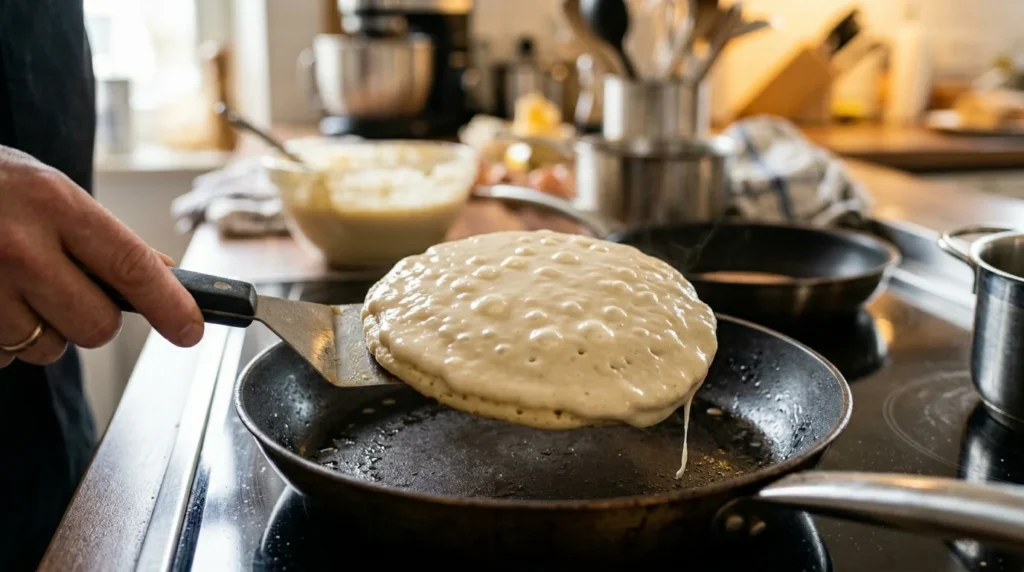
Waiting for the right time to flip your food is a test of patience for every home cook. People often flip their food way too early because they get nervous about burning the bottom side. You should only slide your spatula underneath when the edges look dry and matte instead of wet.
Look closely for small bubbles popping open on the top surface and leaving permanent open holes behind. If those surface bubbles close up immediately, your batter is still too raw to handle safely. Once you flip, cook the second side for just one minute to lock in moisture.
Healthy Substitutions for Every Dietary Need
Swapping White Flour for Whole Grains
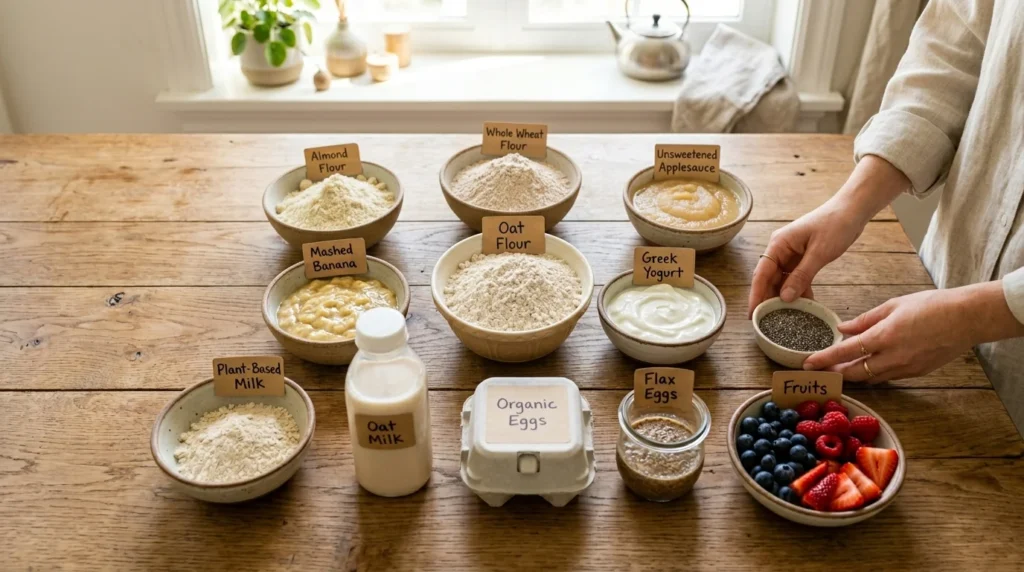
You can easily boost the fiber content by using oat flour or whole wheat flour instead of white flour. Whole grain choices require slightly more liquid because they absorb moisture much faster during the resting period.
Plant-Based Milk Alternatives
Almond milk and oat milk work beautifully if you want to avoid dairy products completely in your baking. I noticed that oat milk gives a slightly sweeter taste which pairs perfectly with fresh berries.
My Kitchen Disasters: Lessons from Burnt Breakfasts
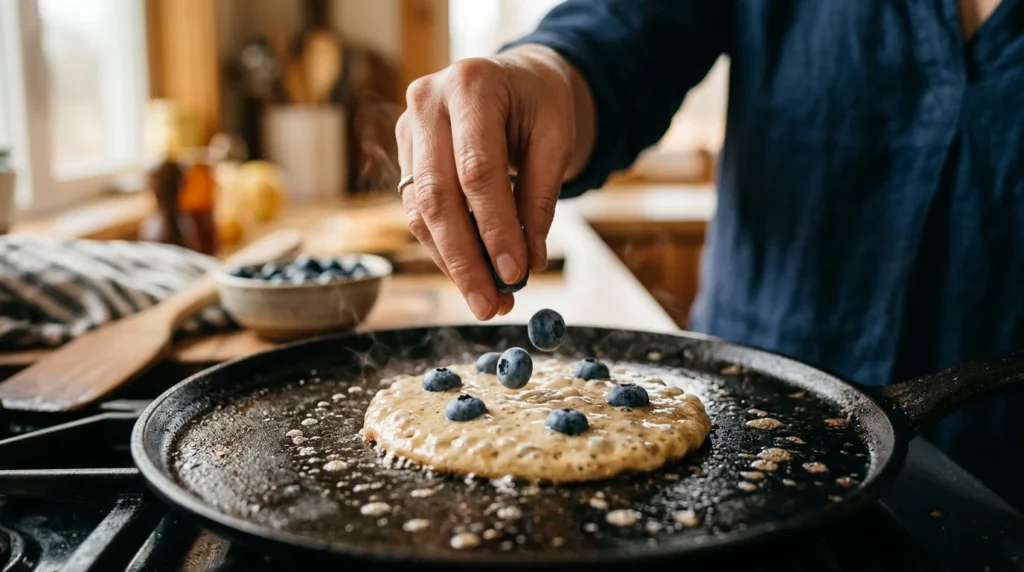
Last year, I tried making a massive batch of blueberry pancakes for my family’s Sunday morning brunch. I made the classic mistake of mixing fresh berries directly into the large batter bowl beforehand. The sugar from the blueberries sank to the bottom, stuck to the hot pan, and burnt horribly.
Now, I always pour plain batter onto the griddle first and then drop individual berries on top manually. This small adjustments prevents sticking issues and ensures every single serving gets an equal amount of fruit. Cooking is all about learning from these messy kitchen mistakes and improving your daily technique.
Creative Toppings That Go Beyond Maple Syrup
Whipped Spiced Ricotta Cheese
Topping your warm breakfast with a dollop of whipped ricotta cheese adds a luxurious, creamy texture. Mix the cheese with a little honey and cinnamon for a sophisticated flavor profile.
Warm Homemade Berry Compote
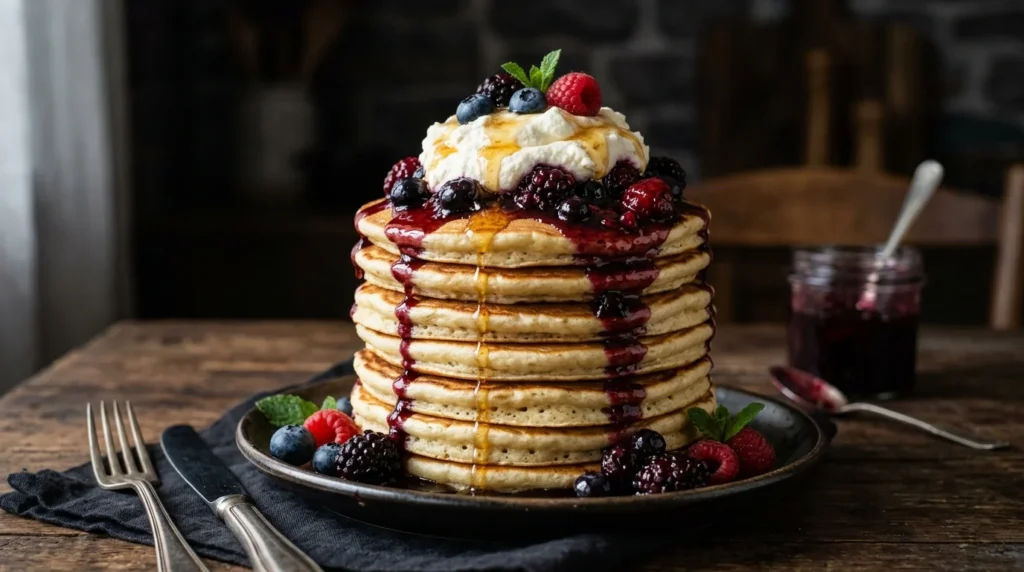
Simmering frozen strawberries with a splash of orange juice creates a thick, glossy syrup within five minutes. This natural fruit sauce tastes far better than any artificial store-bought syrup you can buy.
How to Store and Reheat Your Leftovers Safely
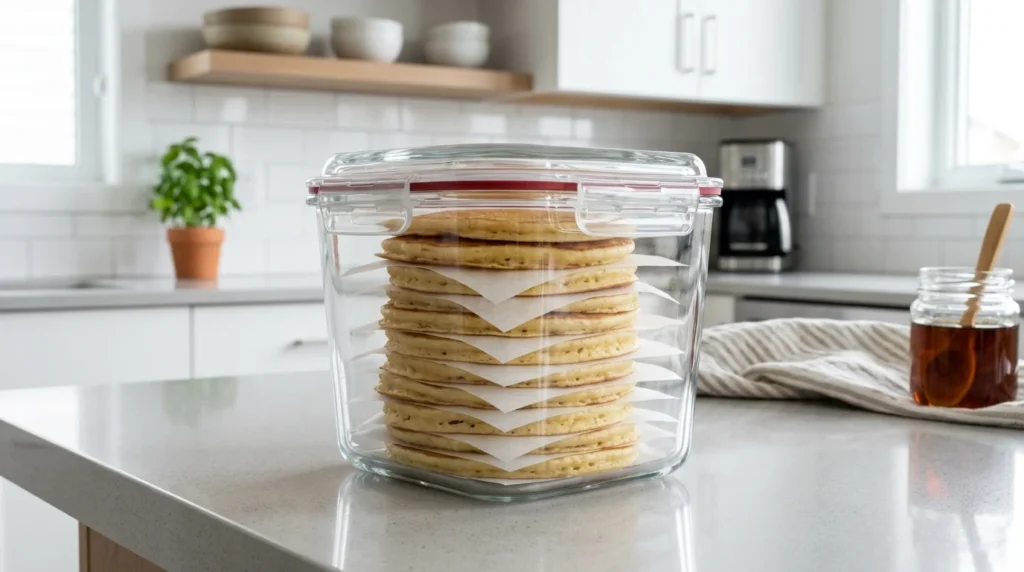
You do not need to throw away your extra pancakes at the end of breakfast time. Let them cool completely on a wire rack before stacking them inside an airtight plastic container. Placing a piece of parchment paper between each layer prevents them from sticking together in the freezer.
When you want to eat them again, simply pop them into your toaster for two minutes flat. The toaster crisps up the outer edges beautifully while keeping the inside incredibly soft and warm. This easy method saves you precious time on busy school mornings when cooking from scratch is impossible.
Conclusion:
Perfecting breakfast baking is a journey filled with messy pans, burnt edges, and valuable lessons. We have discovered that creating fluffy pancakes requires patient heat management, minimal mixing, and strategic topping choices. When you shift your mindset from rushing to understanding the science of batter, your results will change instantly.
Tomorrow morning, I want you to try the ten-minute batter rest technique to make your homemade pancakes incredibly soft and light. Drop your favorite toppings directly onto the skillet instead of mixing them into your main bowl beforehand. You will see a massive difference in texture and appearance with this small change.
I would love to hear about your own kitchen adventures and morning experiments with these pancakes. Which of these secret tips are you going to try in your kitchen first? Share your experiences or leave your questions in the comments section below!