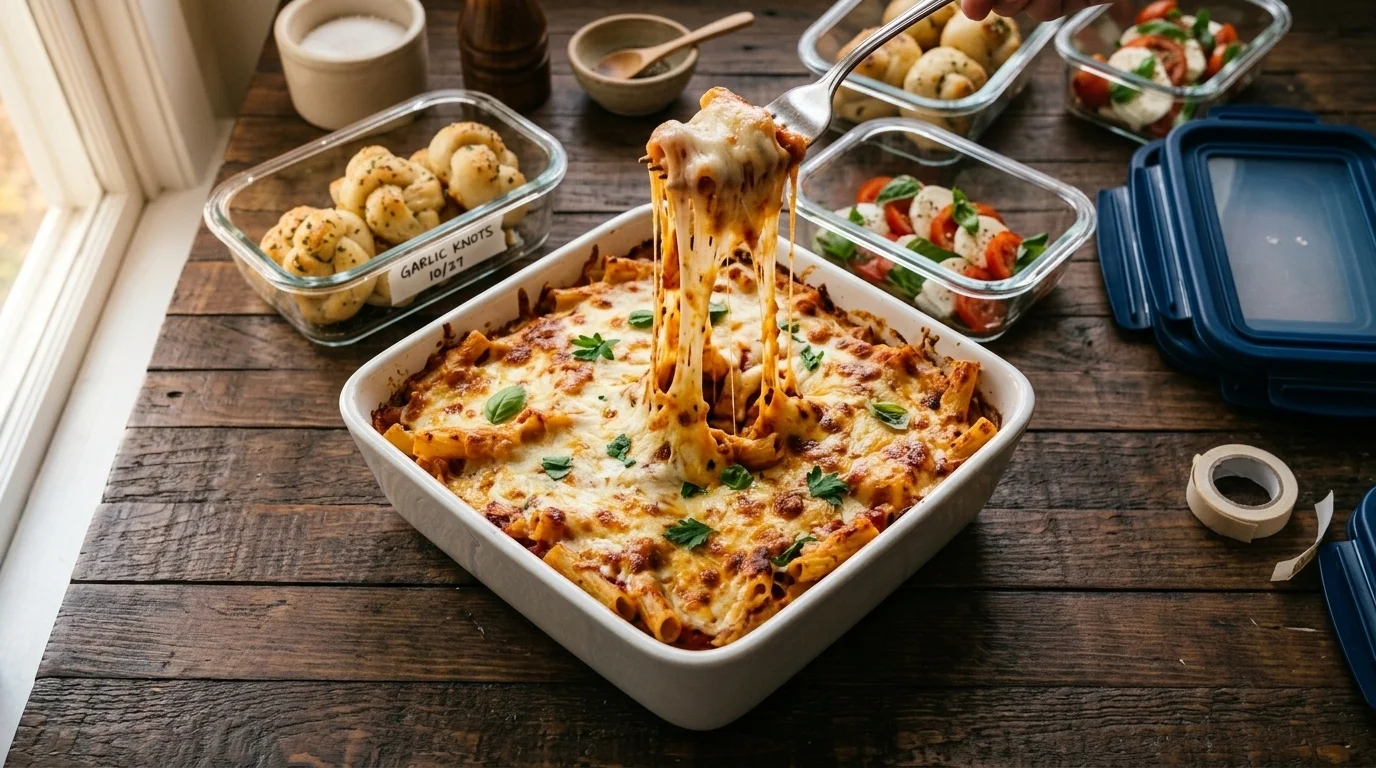
I learned about making comforting pasta casseroles the hard way after serving a soggy dinner to my family last winter. I assumed throwing random cheeses and boiled noodles into an oven dish would magically yield a gourmet meal within minutes. Instead, my rushed process resulted in a watery, greasy mess of mushy pasta that everyone politely avoided eating.
That disastrous evening forced me to study the science behind a perfect baked ziti recipe from scratch. Now, after months of kitchen trials, I can share five essential tweaks that saved my comfort food game.
In this comprehensive guide, you will discover the exact techniques required to fix thin and flavorless sauces easily. We will cover proper pasta boiling choices, cheese layering timings, and the ideal way to bake without drying ingredients. Following these professional kitchen adjustments will instantly transform your simple ingredients into a deeply satisfying culinary masterpiece today.
The Foundation of Proper Pasta Selection and Texture
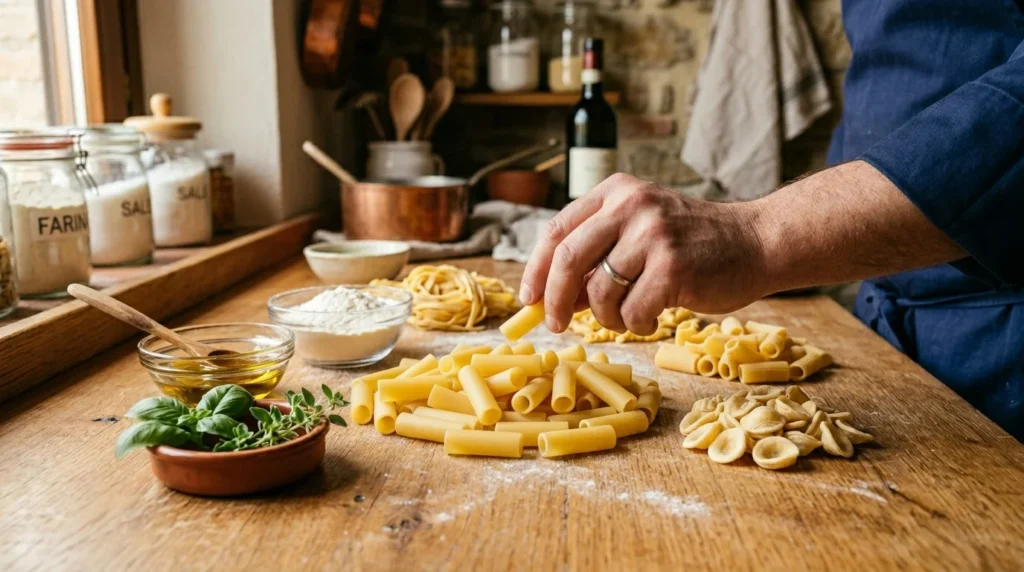
Selecting the right thickness of your noodles determines the entire success of your comfort food casserole in the kitchen. Many beginners make the mistake of overcooking their pasta initially because they forget it softens further inside the oven. However, soft noodles lack the structure required to hold heavy meat sauces and rich melted dairy layers together. You genuinely need a firm, al dente tube texture to make a successful baked ziti recipe base.
Why Quality Pasta Shapes Matter
I always visit my local Italian market to get authentic, high-quality semolina noodles for my weekly cooking projects. Buying these rough-textured shapes directly from a professional source guarantees a deeply satisfying outcome for your family meal. You should avoid flimsy grocery store brands that often lose their structural shape during the boiling process.
The Magic of Starch Retention
Rinsing your cooked noodles with cold tap water is a tragic mistake that removes all your precious starch. This natural sticky coating is the secret element that helps the rich tomato sauce cling onto every tube. Many amateur cooks completely miss this step because they prioritize quick cooling over genuine traditional culinary techniques.
Separating Soggy Dishes From Masterpieces
Boiling the pasta for exactly two minutes less than the package instructions creates a firm noodle today. A dense structure holds onto the cheese and seasonings much better than mushy, overcooked elements ever could. Your family will instantly notice the luxurious texture difference when they take their very first comforting spoonful.
Prepping the Baking Dish Correctly
Always grease the bottom surface lightly with olive oil beforehand to prevent the noodles from burning underneath. This initial oil layer releases incredible savory aromas that naturally deepen the golden crust of your dish. Skipping this simple step means missing out on a massive layer of traditional home-cooked flavor profiles.
Secret Herbs and Acid Boosters for Deep Flavor
Standard black pepper and table salt can make baked ziti recipe pans decent, but secret additions elevate it. Professional Italian chefs rely on specific botanical layers to cut through heavy dairy fats and balance the profile.
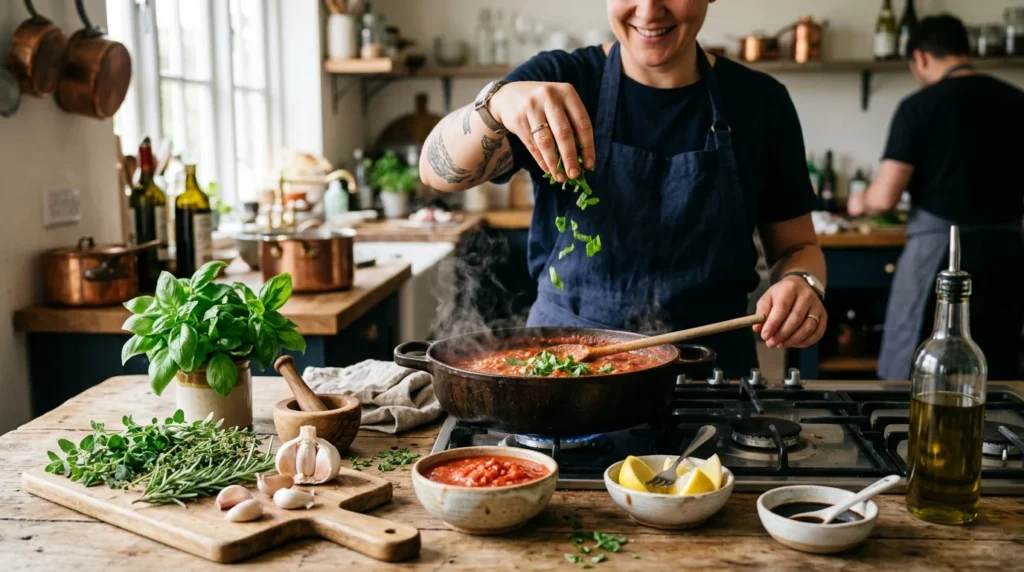
- Fresh Basil Leaves: Tear the leaves gently with your hands right before stirring them into the warm red sauce.
- Dried Whole Oregano: Crush the dried herbs between your palms to release the aromatic oils into your pan.
- Red Pepper Flakes: Add a tiny pinch to the tomato mixture to introduce a subtle, warming background heat.
Timing the Delicate Sauté of Aromatic Meat Sauces
Rushing your ground meat into watery canned tomatoes too early will ruin the rich depth of your sauce. You must brown your beef, onions, and minced garlic gently in olive oil before adding any liquid. Sautéing these aromatics first helps release their natural oils and makes your finished dish taste incredibly vibrant today. This essential step creates a beautiful brown crust at the bottom of your pot before any moisture enters.
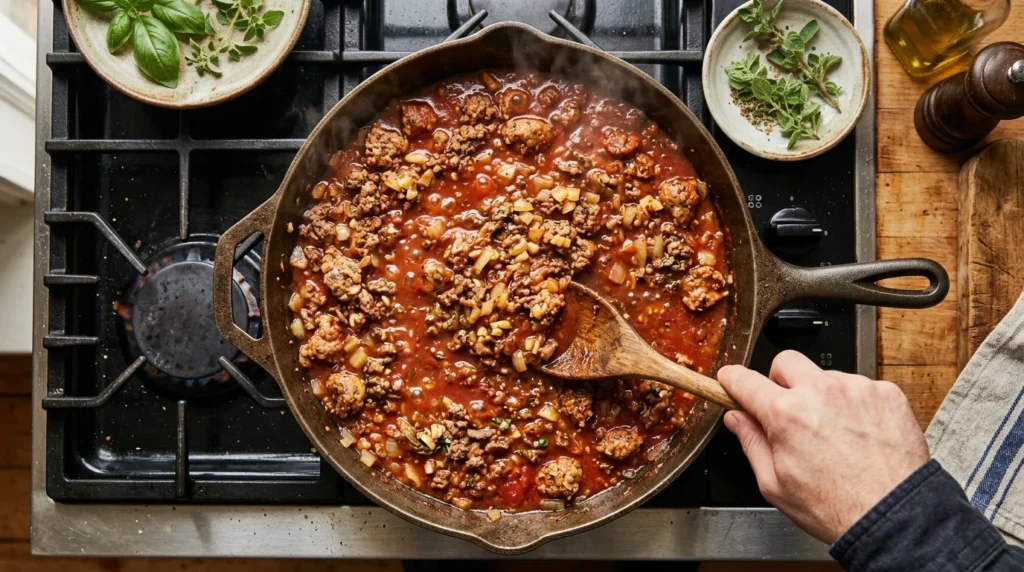
- Lean Ground Beef: Cook the meat thoroughly for eight minutes until it develops a beautiful deep savory color.
- Sweet Yellow Onions: Sauté your small vegetable dices for five minutes to release their natural sugary undertones completely.
- Fresh Garlic Clues: Add your minced pieces during the final two minutes to prevent burning these delicate aromatics.
Allowing these core elements to cook properly in warm fat guarantees a spectacular flavor profile for your dinner. The heat caramelizes the natural sugars inside the vegetables to build a strong foundation for your red sauce. Skipping this initial frying process will leave you with a flat, bland creation that lacks authentic warmth. Taking your time during this crucial introductory phase will completely elevate your entire final baked ziti recipe presentation.
Sautéing these aromatics first helps release their natural oils and makes your finished baked ziti recipe taste incredibly vibrant.
The Critical Danger of High Oven Temperatures
Allowing your oven to bake aggressively is the fastest way to turn beautiful ingredients into dry leather. High heat forces the delicate dairy proteins to separate directly into your clear baked ziti recipe liquid base. You should look for a gentle, steady heat where the cheese melts smoothly without burning the top layer. This slow melting method coaxes out the rich creaminess without disturbing the moisture of your golden pasta dish.
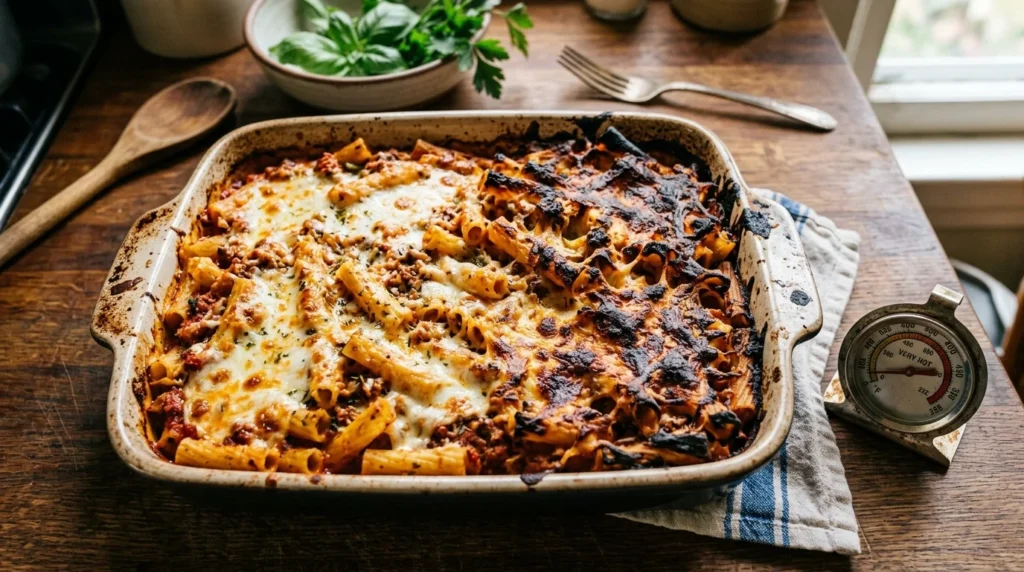
Keep the baking dish covered with aluminum foil for the first twenty minutes of the cooking process. Removing the foil during the final ten minutes ensures your finished baked ziti recipe looks beautifully golden and bubbly. Treat the baking phase with patience because rushing will completely destroy the visual appeal of your dinner.
Avoiding Common Cheese Layering Disasters
The baked ziti recipe Pasta Mistake
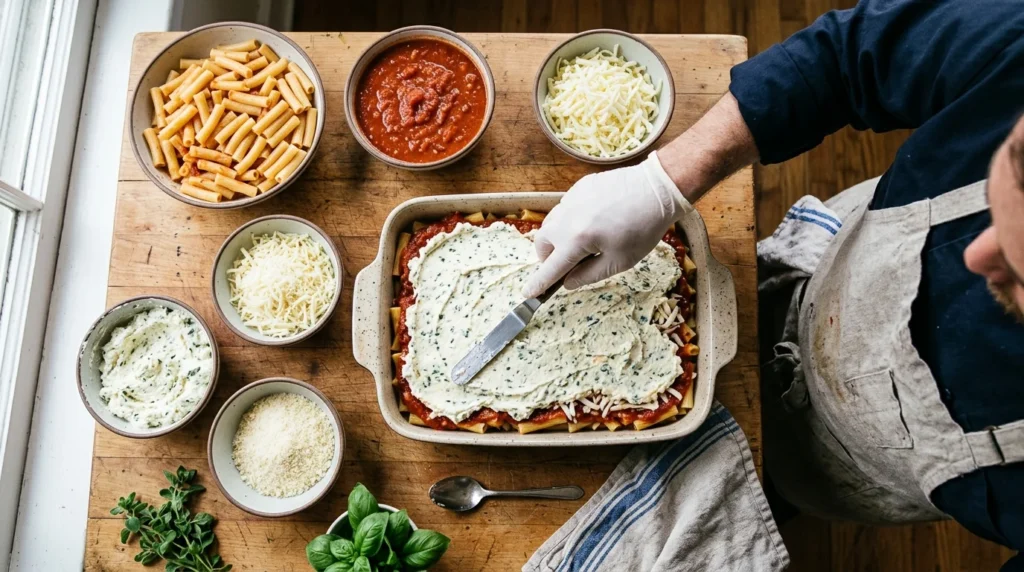
Mixing all your ricotta cheese directly into the hot sauce creates a grainy, unappealing texture throughout. The intense heat causes the delicate whey proteins to break apart, leaving your meal watery and unattractive.
How baked ziti recipe Pasta Should Cook
Always dollop cold ricotta cheese between separate layers of noodles and sauce for the best creamy results. This professional method creates distinct pockets of rich dairy goodness that contrast beautifully with the sharp parmesan cheese.
My Sunday Afternoon Kitchen Failure and Recovery
Last November, my brother came over during a cold wave, and I wanted to serve a baked ziti recipe quickly. I made the mistake of adding delicate shredded mozzarella cheese right at the start of my baking process. The dairy cooked for forty minutes, turned an ugly brown crust, and gave the meal a rubbery texture. My entire beautiful batch looked unappetizing because I ignored the correct timing for melting fragile cheese toppings.
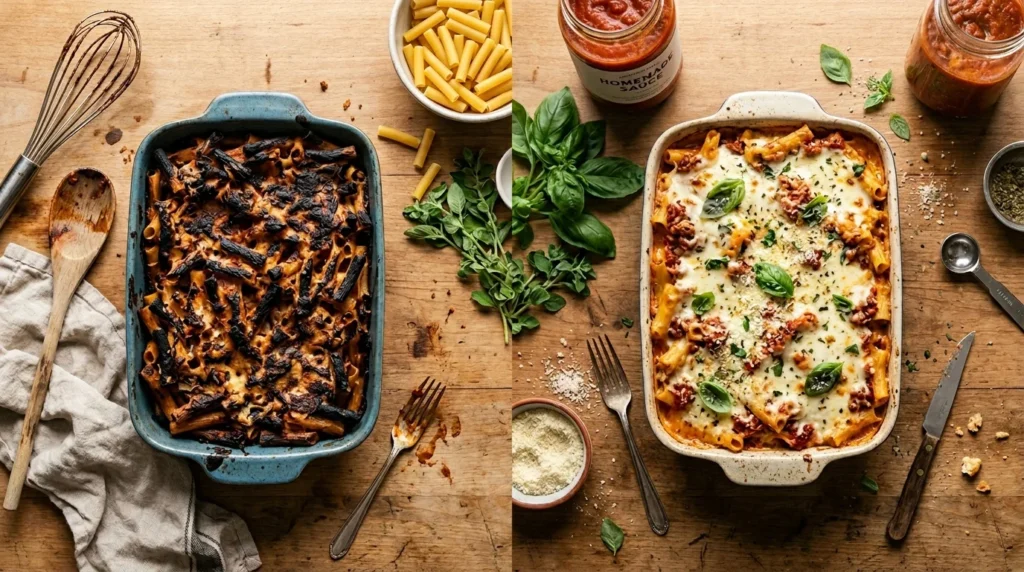
Now, I always add the final mozzarella layer during the last ten minutes of the baking cycle. This simple adjustment preserves the beautiful gooey pull and keeps the milky flavor completely intact for your guests. Learning from small kitchen mistakes is exactly how we master a perfect baked ziti recipe over time.
Selecting the Ultimate Dairy Products for Creaminess
Choosing the right cheese vehicles for your baked ziti recipe changes how the meal coats your tongue completely. Whole milk ricotta is the traditional standard because it holds its shape inside the pasta layers quite effectively.
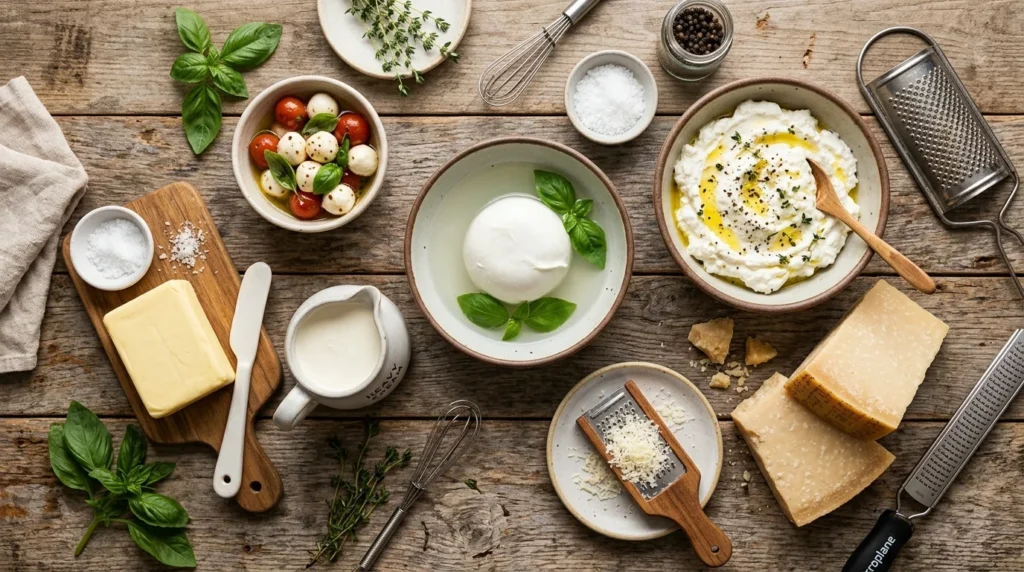
- Fresh Low-Moisture Mozzarella: This specific variety melts beautifully without releasing excess water into your cooked noodle layers.
- Aged Parmigiano-Reggiano Cheese: This sharp ingredient adds a unique, luxurious saltiness that enhances the savory red sauce.
- Creamy Pecorino Romano: Creating a blend with this sheep milk cheese provides the ultimate rustic experience for guests.
The Integrity of Your Leftover Casserole
Storing your extra baked ziti recipe dishes correctly ensures that your hard work stays fresh for weekday lunches.
Separation Before Cold Refrigeration
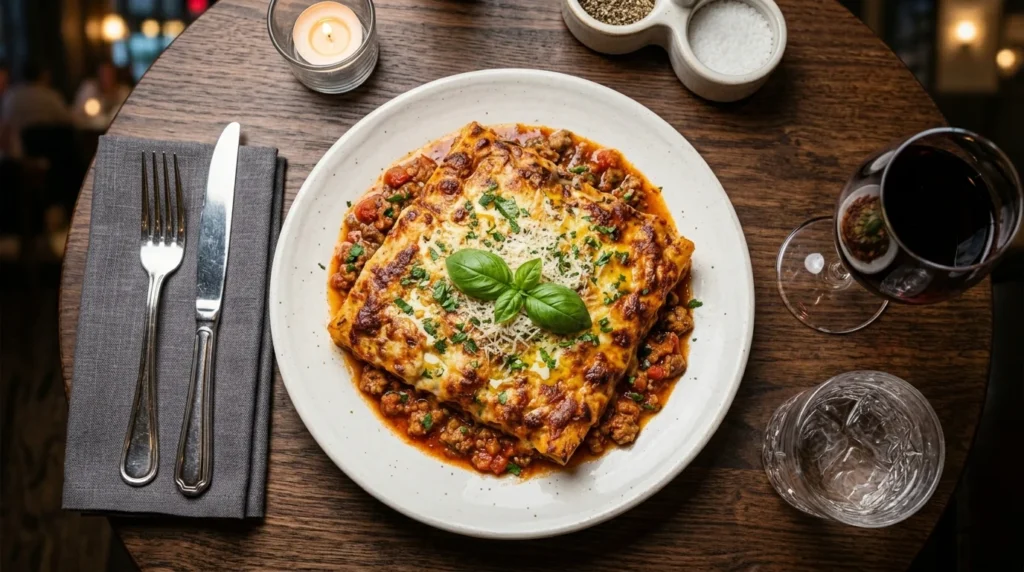
You must slice the cooled pasta cake into individual portions before wrapping them tightly in plastic film. Storing smaller blocks prevents the noodles from drying out when you expose the dish to cold refrigerator air.
Gentle Reheating Techniques Explained
Warm your individual portions inside an oven at three hundred degrees with a splash of extra water. This method revives the moisture perfectly without drying out the delicate cheese or overcooking the pasta tubes.
Conclusion
Perfecting a comforting Italian pasta dish is a fulfilling journey that requires patience, proper heat control, and fresh ingredients. We have learned that building a rich, flavorful foundation means avoiding aggressive boiling and selecting proper firm noodles. When you change your cooking habits, you will turn a simple starter into a deeply satisfying family masterpiece.
During your next kitchen session, I want you to try the separate cheese layering method for absolute freshness. Always sweat your aromatic vegetables in fresh olive oil before adding any meat into your large cooking pan. You will notice a massive upgrade in flavor and visual clarity by following these simple professional steps.
I would love to hear about your own comforting kitchen successes and recent recipe updates with this baked ziti recipe meal. Which of these secret tweaks are you going to try in your baked ziti recipe tonight? Please share your thoughts or drop your helpful kitchen questions in the comments section below!